
Choosing Plants That Thrive With Less Attention
A beautiful landscape should not require constant correction. Choosing plants that naturally fit your property's sun, soil, space and watering conditions can create a healthier landscape that is easier to maintain over time.
Low-maintenance landscaping does not begin with finding
a plant that supposedly needs no care.
It begins with choosing the
right plant for the right location.
Plants that are well suited to their surroundings are
generally better positioned to establish healthy roots,
maintain their natural shape and handle seasonal conditions.
Plants placed where the light, moisture, soil or available
space does not match their needs often demand much more
attention.
At OE Landscape, thoughtful
landscape design
considers not only how plants look on installation day,
but how they are likely to perform as the landscape matures.
What to Consider Before Choosing a Plant
Start With the Site, Not the Plant Catalog
It is easy to choose a plant because of an attractive flower, interesting foliage or a photograph online. Professional landscape planning approaches the decision in the opposite direction.
First, evaluate the location. Is it sunny all afternoon? Does a wall reflect additional heat? Is the area shaded by the house? Does water drain quickly, or does the soil remain wet for long periods?
Once those conditions are understood, plant choices can be narrowed to species that are naturally better suited to the space.
This creates a much stronger foundation for a professionally planned landscape than selecting plants first and trying to make the property accommodate them later.
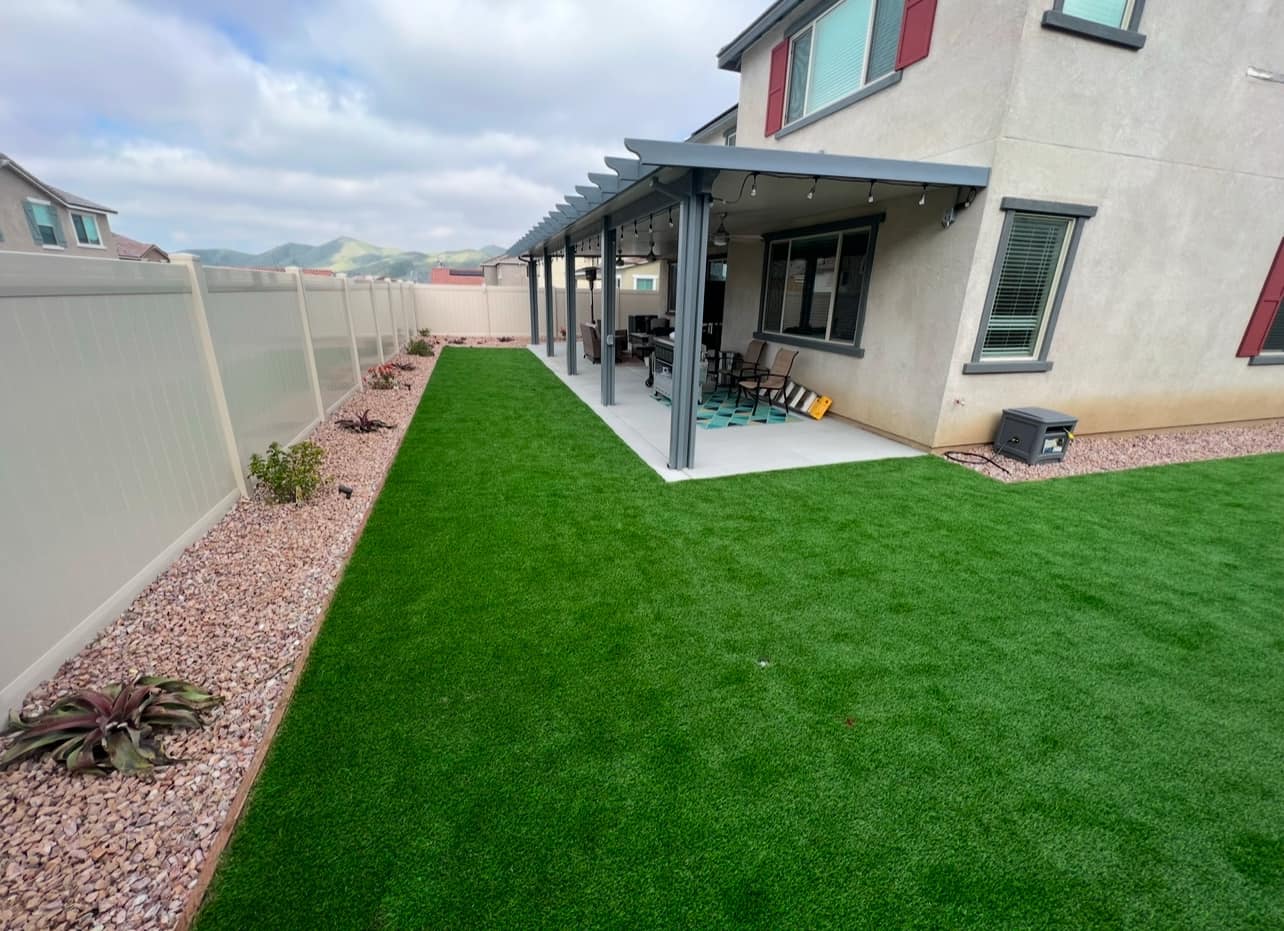
Pay Attention to How the Sun Moves Across the Property
A front yard that receives gentle morning sun can create a very different growing environment from a west-facing planting bed exposed to strong afternoon heat.
Walls, concrete, pavers and other surfaces can also reflect heat toward nearby plants. This means two planting areas only a few yards apart may behave very differently.
Before selecting plants, observe the property at different times of day. Identify areas of full sun, filtered light, afternoon heat and deeper shade.
Matching plants to those conditions can reduce the need to constantly compensate with extra watering, shade structures or plant replacement.
A Low-Maintenance Plant in the Wrong Location Can Become High Maintenance.
Before asking whether a plant is easy to care for, ask whether the location naturally provides the conditions that plant needs.
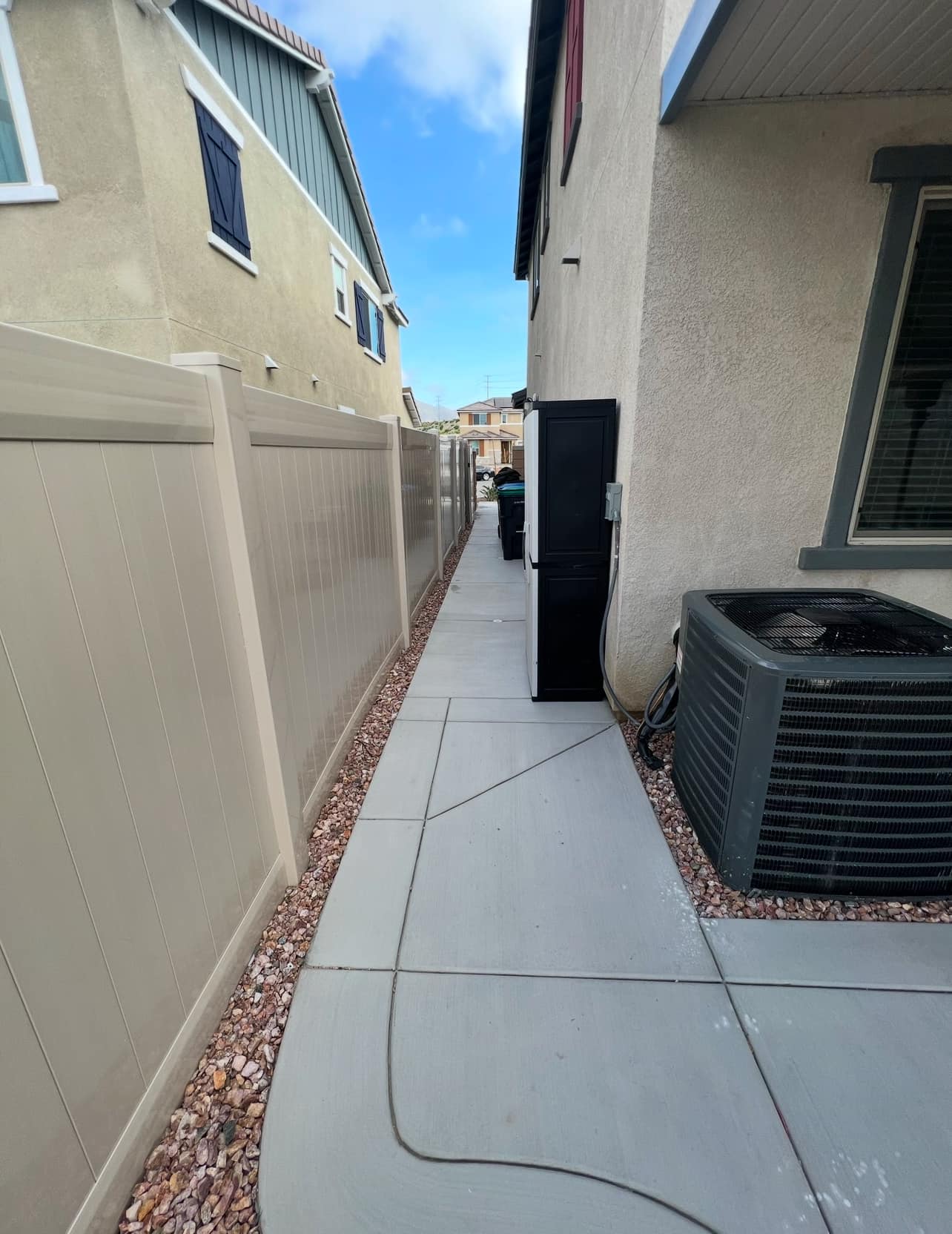
Group Plants With Similar Water Needs
One planting bed becomes difficult to manage when every plant wants something different.
A plant that prefers relatively dry conditions should not necessarily share the same irrigation schedule with another that requires consistently higher moisture.
Grouping plants with similar needs allows the irrigation system to serve each area more appropriately.
This can simplify watering and help prevent the common problem of overwatering one plant while trying to satisfy another.
Choose Plants for Their Mature Size
Nursery plants can look surprisingly small when first installed. That often encourages homeowners to place too many plants into the same area.
But a landscape continues changing long after installation. Shrubs grow wider. Trees develop larger canopies. Groundcovers spread.
A plant that fits comfortably within a three-foot space today may eventually require six feet or more.
Planning around mature size can reduce unnecessary pruning, overcrowding and competition while preserving the intended shape of the landscape.
Plant Characteristics That Can Make Maintenance Easier
There is no single plant that is appropriate for every Southern California property. However, several characteristics can make certain plants easier to integrate into a lower-maintenance landscape.
Heat Tolerance
Plants suited to warmer conditions are better equipped for sunny, exposed areas.
Moderate Water Needs
Plants suited to the local climate can reduce the need for excessive irrigation once established.
Natural Form
Plants that naturally grow into the desired shape may require less frequent corrective pruning.
Appropriate Growth Rate
Moderate growth can provide coverage without creating constant trimming and containment work.
Site Compatibility
Plants matched to the property's light, soil and drainage conditions have a stronger starting point.
Year-Round Structure
Well-selected evergreen and structural plants can keep beds visually organized through the seasons.
Consider Climate-Appropriate Southern California Plants
For suitable locations, Southern California landscapes can incorporate a mixture of native, Mediterranean and other climate-appropriate plants.
Depending on the specific property, design and microclimate, planting palettes may include varieties of sage, lavender, rosemary, ornamental grasses, agave, aloe, manzanita, toyon, ceanothus and other drought-conscious selections.
The important point is not to select a plant simply because it appears on a low-water list. Even drought-conscious plants still need the right sun exposure, drainage, spacing and establishment care.
OE Landscape considers planting as part of the complete landscape design rather than treating individual plants as isolated decorations.
Four Site Conditions That Deserve Extra Attention
West-facing spaces can experience much stronger heat than areas receiving primarily morning sun.
Plants that prefer well-drained soil may struggle where water routinely collects after irrigation.
Mature width matters especially near walkways, fences, windows and property boundaries.
Walls, concrete and hardscape can create hotter conditions than surrounding open planting areas.
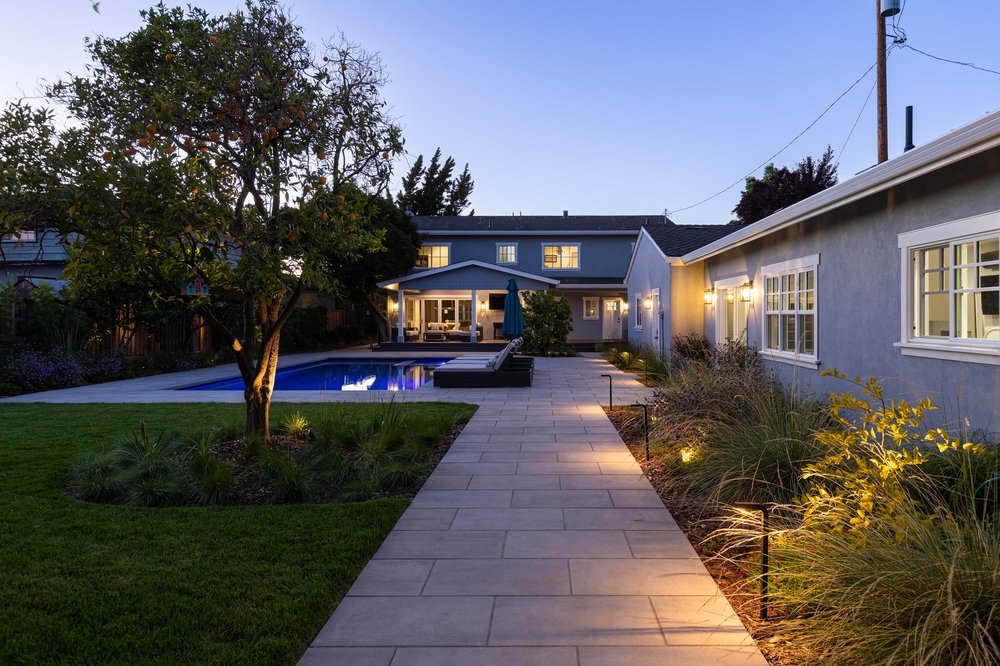
Good Plant Selection Still Needs Good Soil and Drainage
Even a carefully selected plant can struggle when installed into unsuitable soil or an area with poor drainage.
Before planting, it is useful to consider soil condition, compaction and how quickly water moves through the area.
Mulch can also be useful around appropriate planting beds because it protects exposed soil, reduces direct sun on the surface and creates a cleaner finished appearance.
Plant selection, soil preparation and irrigation should therefore be considered together rather than as separate parts of the landscape.
Low Maintenance Does Not Mean No Maintenance
Every living landscape requires some level of care. Plants still need time to establish after installation, irrigation systems require occasional adjustment, and pruning or cleanup may be needed as the landscape grows.
The goal of a lower-maintenance planting plan is not to eliminate landscape care. It is to reduce avoidable work caused by poor plant selection, overcrowding and mismatched watering requirements.
Thoughtful planning today can help prevent years of correcting problems later.
Use Planting to Balance Hardscape
Low-maintenance landscaping should not automatically mean replacing every planted area with concrete or gravel.
Plants help soften patios, walkways, walls and other hardscape features .
They can frame entrances, define outdoor rooms, create privacy and add visual movement to spaces dominated by permanent materials.
A balanced landscape combines durable built elements with plant material that fits the amount of maintenance the homeowner actually wants.
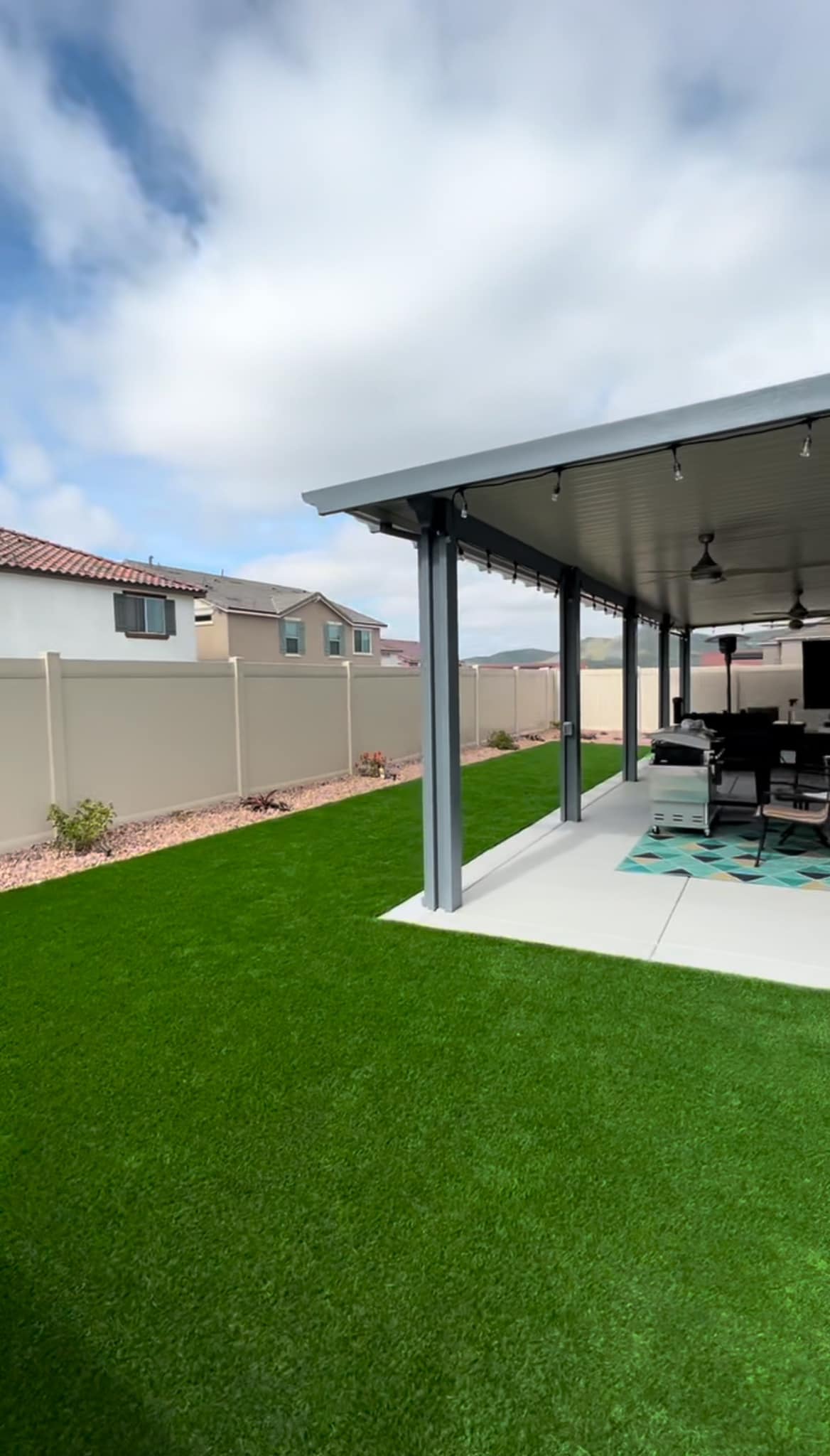
Not Every Open Area Needs More Plants
Planting is only one part of a complete landscape. In areas where homeowners want a consistently green surface without maintaining natural lawn, artificial turf may be worth considering.
Other areas may function better as patios, walkways, decorative gravel zones or simply open space.
Professional planning looks at how each area of the property will actually be used before deciding whether it needs plants, lawn, turf or hardscape.
Try the OE Landscape Project Estimator
Starting to plan your outdoor improvement budget? Use our online estimator for a preliminary look at common landscaping, turf, hardscape, planting and irrigation project costs.
Build a Landscape That Becomes Easier to Live With
The best low-maintenance landscapes do not look neglected. They look intentional.
The difference comes from selecting plants that fit their location, giving them enough room to mature, grouping compatible plants together and integrating them with the rest of the property.
OE Landscape helps Southern California homeowners bring complete outdoor plans to life through landscape design and installation , hardscaping , irrigation improvements , artificial turf and outdoor living improvements.
You can also explore our completed landscape projects for ideas on combining planting, hardscape, turf and outdoor spaces.
Choose a Landscape That Works With Your Property
Planning new planting, irrigation, hardscape or a complete backyard transformation? OE Landscape can help turn your ideas into a practical outdoor environment designed for Southern California conditions.