
Outdoor Spaces Designed Around Wellness
Thoughtful landscape design can create more than curb appeal. It can support relaxation, connection, movement, fresh air, and everyday enjoyment.
Outdoor Spaces That Feel Better to Live In
A well-designed outdoor space can do more than improve the appearance of a property. It can also create a place to slow down, move comfortably, spend time with family, enjoy fresh air, and disconnect from the pace of everyday life.
For many homeowners, the backyard is becoming more than a place for occasional entertaining. It is becoming an extension of daily living—a space for morning coffee, quiet evenings, outdoor meals, exercise, reading, gardening, and simply spending more time outside.
At OE Landscape, we believe wellness-focused landscaping starts with creating environments that feel comfortable, functional, natural, and easy to enjoy.
What Is a Wellness-Focused Outdoor Space?
Wellness-oriented landscape design does not require a dedicated meditation garden, spa, or elaborate outdoor retreat.
It simply means designing the property around experiences that support comfort and everyday enjoyment.
A wellness-focused landscape may include:
- Quiet seating areas
- Comfortable walking paths
- Shade
- Greenery
- Natural materials
- Outdoor dining
- Water features
- Private garden areas
- Open areas for movement
- Soft landscape lighting
The goal is to create an outdoor environment that encourages people to spend more time outside.
Every property is different, so the right combination depends on the homeowner's lifestyle, available space, architecture, and priorities.
Create a Place to Slow Down
One of the simplest ways to make a landscape feel more restorative is to create a dedicated place for quiet time.
This could be as simple as a bench beneath a tree or two comfortable chairs surrounded by plants.
The area does not need to be completely separated from the rest of the yard. Even a small corner can feel like a retreat when it is positioned away from the busiest parts of the property.
Surrounding the space with greenery can also help visually soften fences, walls, and neighboring structures.
When a seating area feels comfortable and intentional, homeowners are more likely to use it regularly.
Bring More Greenery Into Everyday Views
Plants are one of the most important elements in creating an outdoor space that feels calm and inviting.
Trees, shrubs, ornamental grasses, groundcovers, and flowering plants add color, texture, movement, and seasonal interest.
They can also help soften hardscape and architectural surfaces.
Consider the views from inside the house as well.
A carefully positioned tree, layered planting bed, or garden feature can become part of the everyday view from a kitchen, bedroom, living room, or home office.
This connection between indoor and outdoor spaces helps the landscape remain visually present even when homeowners are not outside.
Use Natural Materials
Materials can strongly influence how an outdoor environment feels.
Natural stone, wood, gravel, decomposed granite, and earth-toned paving materials can create a softer connection between the home and surrounding landscape.
These materials can be incorporated into:
- Walkways
- Patios
- Seating walls
- Garden borders
- Steps
- Retaining walls
- Decorative areas
The goal is not necessarily to make the landscape rustic.
Natural materials can also work beautifully within modern and contemporary designs.
Clean lines combined with stone, greenery, and warm textures can create outdoor spaces that feel both polished and comfortable.
Add Comfortable Shade
Comfort plays a major role in whether a backyard actually gets used.
In Southern California, shade can make a significant difference during warmer parts of the day.
Shade may come from mature trees and water-smart landscape planning, pergolas, covered patios, umbrellas, or other outdoor structures.
Placing shade around seating, dining, and gathering areas can make these spaces more inviting during afternoon hours.
Trees can be especially effective because they provide shade while also contributing to the overall planting design.
A well-positioned shade element can turn an exposed patio into an area homeowners can enjoy much more frequently.
Design Paths That Encourage Movement
Movement does not have to mean creating a formal exercise area.
A landscape can naturally encourage walking simply by making different areas easy and enjoyable to reach.
Pathways can connect:
- Patios
- Garden areas
- Seating spaces
- Side yards
- Pools
- Fire features
- Outdoor kitchens
- Lawn areas
Instead of treating every walkway as a purely functional route, designers can make circulation part of the experience.
A gently curving path through planting areas can encourage people to move through the landscape rather than remaining in one location.
For larger properties, interconnected paths can create a natural walking route around the yard.
Create Outdoor Rooms for Different Activities
Wellness looks different at different times of day.
A homeowner may want an energetic area for family gatherings as well as a quieter place to relax afterward.
Dividing the yard into outdoor rooms allows each area to support a different activity.
For example, a backyard might include:
- A dining patio near the house
- A shaded lounge area
- A lawn or turf section
- A small garden
- A fire pit area
- A quiet seating corner
These zones do not require walls.
Changes in paving, planting, elevation, furniture, or overhead structures can create subtle boundaries.
This approach gives homeowners more ways to use the property without making the landscape feel crowded.
Reduce Visual Clutter
A relaxing landscape does not necessarily need more features.
Sometimes it needs fewer.
Too many materials, plants, decorative elements, furniture pieces, and focal points can make an outdoor area feel visually busy.
Wellness-focused landscapes often benefit from simplicity.
Repeating a smaller selection of materials and plant varieties can create greater consistency.
Open spaces between features also give the eye somewhere to rest.
This does not mean the landscape has to be minimal.
It simply means that each element should have a clear role within the overall design.
Incorporate the Sound of Water
Water features can add another sensory element to outdoor spaces.
The sound of moving water may help mask nearby traffic, equipment, or neighborhood activity while creating a distinctive focal point.
Depending on the property, options might include:
- Small fountains
- Wall fountains
- Reflecting features
- Pond-style features
- Contemporary water installations
Scale is important.
A water feature should complement the surrounding landscape rather than overwhelm it.
Even a smaller feature can have a noticeable presence when positioned near seating or gathering areas.
Create Privacy Without Closing Off the Yard
Privacy can help an outdoor space feel more comfortable, but creating privacy does not always require surrounding the entire property with tall barriers.
Strategic landscaping can provide screening exactly where it is needed.
Trees, shrubs, hedges, ornamental grasses, and decorative screens can help reduce direct views into seating, dining, or relaxation areas.
Layered planting often creates a softer result than a single solid hedge.
For example, taller screening plants may form the background while medium shrubs and lower grasses create depth in front.
This allows the yard to feel private while maintaining an open, natural appearance.
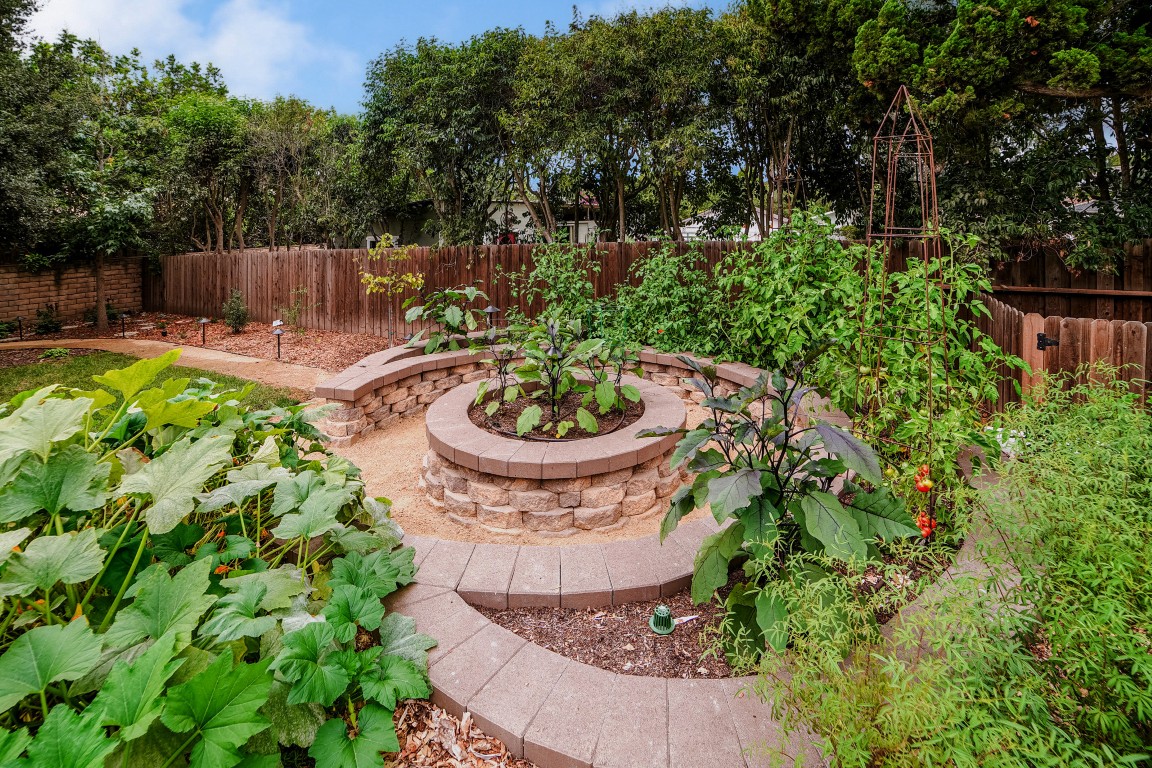
Add Areas for Gardening
For homeowners who enjoy working with plants, gardening itself can become part of the outdoor-living experience.
A garden does not need to occupy a large section of the property.
Raised planters, herb beds, vegetable gardens, citrus trees, or small planting areas can all create opportunities for hands-on interaction with the landscape.
Locating these features near commonly used areas can also make them easier to maintain.
A small herb garden near an outdoor kitchen or patio, for example, can become both functional and decorative.
Consider Fragrance and Texture
Landscape design is experienced through more than just appearance.
Plants with interesting textures and subtle fragrances can add another dimension to the yard.
Depending on the site and planting plan, designers might combine soft ornamental grasses, textured foliage, flowering plants, and aromatic species.
Movement is also important.
Grasses and flexible foliage respond to wind, adding subtle motion to the landscape.
These details can make even a simple planting area feel more engaging.
Design for Morning and Evening Use
Different times of day create different outdoor experiences.
A sunny area may be ideal for morning coffee but uncomfortable during the afternoon.
Another part of the yard may become especially enjoyable in the evening.
Planning around sun exposure can help homeowners use more of the property throughout the day.
Morning-oriented spaces may benefit from eastern exposure and comfortable seating.
Evening areas might include landscape lighting, a fire feature, or a covered patio.
By considering changing light and temperature, designers can make the outdoor environment more versatile.
Use Lighting to Create a Calmer Evening Environment
Landscape lighting helps extend outdoor use after sunset.
For wellness-oriented spaces, lighting should generally support the environment rather than dominate it.
Low-level pathway lights can improve visibility while subtle accent lighting can highlight trees, walls, or planting areas.
Lighting can also define gathering spaces without making the entire yard excessively bright.
Thoughtful placement helps create a softer evening atmosphere while making steps and circulation routes easier to navigate.
Choose Plants With Long-Term Maintenance in Mind
A landscape that constantly requires attention may not feel particularly relaxing.
Plant selection should consider long-term growth, water requirements, pruning needs, and the conditions of the property.
For Southern California landscapes, drought-tolerant and climate-appropriate plants can be especially useful.
Choosing suitable plants can help reduce unnecessary maintenance while still providing attractive greenery.
Efficient irrigation also plays an important role.
A properly designed irrigation system helps support healthy planting areas while making routine landscape care more manageable.
Create Space for Outdoor Meals
Eating outdoors is one of the simplest ways to make a backyard part of everyday life.
A dining area may include a full outdoor kitchen, but it can also be as straightforward as a comfortable table on a shaded patio.
Important considerations include:
- Adequate space around chairs
- Convenient access to the house
- Shade
- Lighting
- Durable paving
- Nearby planting
When the dining area is convenient and comfortable, it becomes easier to use for both everyday meals and larger gatherings.
Encourage Connection
Outdoor spaces designed around wellness are not only about solitude.
They can also create opportunities for people to spend more meaningful time together.
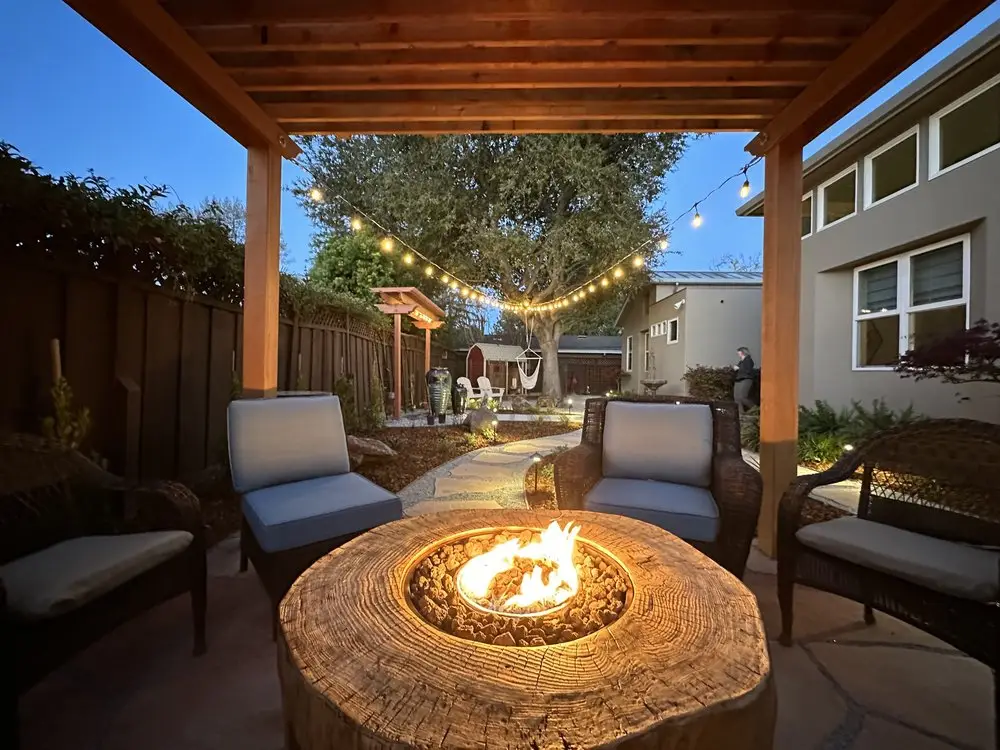
A fire pit surrounded by seating, a comfortable outdoor dining table, a lawn area, or a shaded lounge can become a natural gathering place.
The design should support conversation rather than simply filling the yard with features.
Seating orientation, circulation, and spacing all influence how people interact with an outdoor area.
A well-designed gathering space should make it easy to sit, talk, eat, and spend time together without feeling crowded.
Keep the Landscape Connected to the Home
The transition between indoor and outdoor spaces has a major influence on how frequently the backyard is used.
When outdoor areas feel visually and physically connected to the house, stepping outside feels natural.
Designers may create this connection through:
- Matching or complementary materials
- Large patio areas near doors
- Clear sightlines
- Coordinated colors
- Plantings visible from inside
- Easy access between kitchen and dining areas
The backyard should feel like another part of the property rather than an entirely separate environment.
Wellness Begins With a Space That Fits Your Lifestyle
There is no single formula for creating a wellness-focused landscape.
For one homeowner, it may mean a quiet garden surrounded by plants.
For another, it may mean an outdoor kitchen where friends and family can gather.
Someone else may simply want a comfortable shaded patio where they can spend more time outside.
The most successful landscapes reflect how the people living there actually want to use the property.
At OE Landscape, we help Southern California homeowners transform outdoor areas through professional landscape installation, hardscaping, irrigation systems, plant installation, artificial turf, and outdoor living improvements.
With thoughtful planning and quality installation, an ordinary yard can become a comfortable outdoor environment designed to support relaxation, connection, movement, and everyday enjoyment.
OE Landscape – CA C-27 License #1109316 | Bonded & Insured
Ready to create an outdoor space that feels better to live in? Contact OE Landscape to discuss ideas for transforming your property into a more comfortable, functional, and inviting outdoor environment.
Wellness Starts With a Landscape That Feels Natural to Use
The most successful outdoor spaces reflect how the people living there actually want to relax, gather, move, dine, and spend time outside.
OE Landscape • CA C-27 License #1109316 • Bonded & Insured
Outdoor Spaces Designed to Be Used
Explore completed OE Landscape projects featuring planting, patios, shade structures, turf, gathering areas, and outdoor-living improvements.
Explore Project Gallery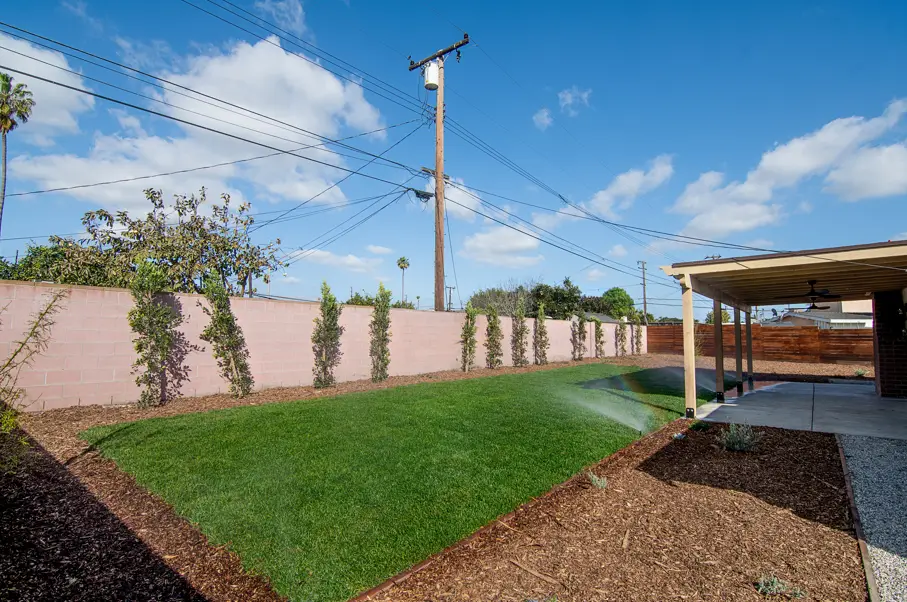
Ready to Transform Your Outdoor Environment?
Tell OE Landscape how you want to use your property and start planning a more comfortable, functional, and inviting outdoor space.