
Connecting Windows and
Outdoor Views with Planting
Plan planting around the views you see every day by using sightlines, layered greenery, privacy, natural light, seasonal interest, and thoughtful Southern California landscape design.
Make the Landscape Part of the View
Landscape design is usually experienced outdoors, but some of the most important views of a garden are seen from inside the home.
A kitchen window overlooking a flowering tree, a living room facing layered greenery, or a bedroom with a view of softly moving ornamental grasses can completely change how connected a home feels to its surroundings.
This is why professional landscape planning should consider more than patios, pathways, and planting beds. It should also consider what homeowners see through their windows every day.
At OE Landscape, thoughtful planting can help create stronger visual connections between indoor and outdoor spaces. By considering sightlines, plant height, framing, color, texture, and seasonal change, the landscape can become part of the home's everyday experience.
Think of Each Window as a Picture Frame
One useful way to approach landscape design is to imagine every major window as a frame.
Whatever appears beyond that window becomes part of the interior view.
Instead of treating planting areas as separate from the house, designers can consider what should appear within those frames.
A large living room window might benefit from a layered garden with a specimen tree in the distance.
A smaller kitchen window might frame a flowering shrub, citrus tree, or textured planting area.
The landscape outside does not need to be complicated.
Sometimes one carefully positioned plant can have more impact than an entire crowded planting bed.
Start With the Views You Use Most
Not every window needs the same level of attention.
Begin with the places where people spend the most time.
These may include:
- Kitchen windows
- Living room windows
- Dining areas
- Bedrooms
- Home offices
- Sliding glass doors
- Patio doors
Stand inside each room and look outside.
What currently attracts your attention?
You may see a fence, neighboring building, empty wall, utility equipment, open lawn, or existing tree.
These observations can help determine where planting would have the greatest visual impact.
Create Focal Points Outside Important Windows
A focal point gives the eye somewhere to land.
From inside the home, that focal point might be a distinctive tree, sculptural plant, flowering shrub, garden feature, or carefully arranged group of plants.
The most effective focal points are usually positioned intentionally within the sightline of a window.
For example, rather than placing a specimen tree randomly in the yard, it might be located where it can be appreciated from both the patio and living room.
This allows one landscape feature to contribute to several experiences.
Focal points should be noticeable without overwhelming everything around them.
Supporting plants can then create a softer visual transition around the main feature.
Use Layered Planting to Add Depth
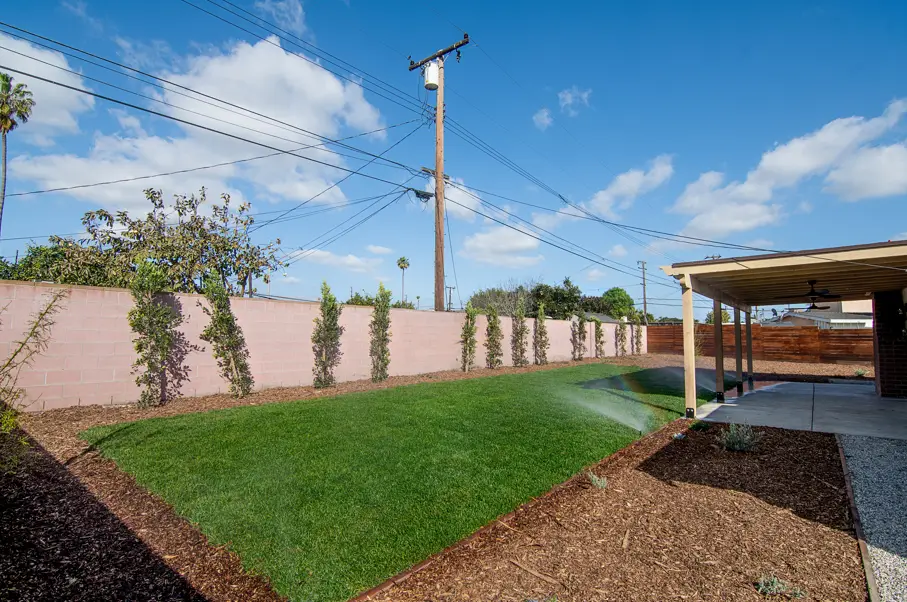
A flat row of shrubs along a fence can provide screening, but it may not create a very interesting view from indoors.
Layered planting adds depth.
A typical arrangement might include:
- Taller trees or screening plants in the background
- Medium-sized shrubs in the middle
- Ornamental grasses or smaller plants in front
- Groundcovers along the edges
These different levels create a sense of distance.
When viewed through a window, the landscape feels deeper and more dimensional.
Layering can also help soften property boundaries and make fences or walls less visually dominant.
Frame Views Instead of Blocking Them
Privacy is important, but screening every window with tall plants can make the interior feel closed in.
A more thoughtful approach is to frame desirable views while screening only what needs to be hidden.
For example, two taller shrubs might be placed toward the sides of a window view while the center remains open toward an attractive tree or garden area.
This creates a natural frame.
Plant placement can therefore provide privacy without completely removing visual openness.
The goal is to decide where you want the eye to travel and then use planting to guide it.
Pay Attention to Plant Height
Plant height becomes especially important near windows.
A shrub that looks small when installed may eventually grow high enough to block natural light or obstruct a view.
Professional planting plans consider mature plant size rather than only how the landscape looks on installation day.
Lower plants are often appropriate directly beneath windows.
Medium-height plants can be positioned slightly farther away, while taller trees and screening vegetation may work better toward property boundaries.
This creates a gradual increase in height while helping preserve light and visibility.
Use Trees to Create Living Views
Trees are some of the most powerful elements for connecting indoor and outdoor spaces.
A carefully positioned tree can provide:
- A strong focal point
- Filtered shade
- Seasonal change
- Movement in the wind
- Privacy
- Visual structure
From inside the home, a tree canopy can create a constantly changing view.
Light moves through leaves during the day, branches respond to wind, and seasonal growth can alter the appearance of the landscape throughout the year.
The placement should be carefully considered so the tree enhances the view without unnecessarily blocking important light or architectural features.
Add Movement With Ornamental Grasses
Outdoor views become more interesting when they are not completely static.
Ornamental grasses and plants with flexible foliage can add subtle movement.
When seen through a window, grasses shifting in a breeze can make the landscape feel more alive.
These plants can work especially well near patios, pathways, garden edges, and areas visible from living spaces.
They can also soften harder architectural elements such as walls, fences, concrete, and paving.
Repeating grasses in several locations can create visual rhythm across the landscape.
Consider What the Garden Looks Like From a Seated Position
One detail that is often overlooked is viewing height.
People experience windows differently depending on whether they are standing or sitting.
A landscape seen from a dining chair may look completely different from the same view while standing.
The same applies to sofas, beds, office desks, and kitchen seating.
When planning important views, consider how the homeowner normally uses the room.
A low planting arrangement may disappear behind a window sill from a seated position, while taller plants might be perfectly visible.
Designing around real viewing positions helps create more effective indoor-outdoor connections.
Use Color Where It Can Be Appreciated
Color can attract the eye across a landscape.
Flowering plants, colorful foliage, and accent plants can therefore be positioned where they are visible from important windows.
Instead of distributing bright color randomly throughout the yard, designers can place it strategically.
For example, a flowering plant might be located directly within the view from a breakfast area.
Another group might appear beyond a patio door.
Repeating similar colors across several outdoor views can help connect different parts of the property.
Create Calm Views With Green and Neutral Tones
Not every window needs a dramatic focal point.
Some areas benefit from quieter views.
Bedrooms, offices, or relaxation spaces may work well with planting dominated by greens, silver foliage, soft textures, and subtle variation.
A simple planting palette can create a visual backdrop that feels organized rather than distracting.
Different shades of green can provide plenty of interest when combined with contrasting leaf sizes, forms, and textures.
This approach can also complement contemporary architecture where simplicity is part of the design.
Use Planting to Soften Walls and Fences
Many windows look directly toward property boundaries.
Without planting, these views may consist mainly of fences, block walls, or neighboring structures.
Plants can soften these hard surfaces significantly.
Depending on the available space, this may involve:
- Tall screening shrubs
- Small trees
- Climbing plants on suitable structures
- Ornamental grasses
- Layered planting beds
Instead of trying to hide every inch of a wall, designers can break up large surfaces with strategically placed greenery.
This often creates a more natural result and leaves room for plants to develop properly.
Screen Unwanted Views Selectively
Some windows may face air-conditioning units, utility areas, neighboring buildings, storage areas, or other necessary but unattractive elements.
Planting can help redirect attention.
Rather than completely filling the area with dense vegetation, a carefully positioned shrub, tree, or planting group may be enough to interrupt the unwanted view.
This is sometimes called selective screening.
It allows the landscape to remain open while reducing the visibility of specific elements.
The placement should also preserve access to equipment that may require maintenance.
Connect Sliding Doors to the Landscape
Large sliding doors and glass walls create especially strong connections between indoor and outdoor spaces.
Because the view is broader, the entire outdoor composition becomes important.
Patios, planting areas, trees, furniture, and hardscape should work together.
A planting bed positioned immediately outside the glass can help soften the transition between the interior floor and outdoor patio.
Beyond that, larger plants can create depth.
A focal feature farther into the yard can then draw the eye outward.
This layered approach makes the landscape feel visually connected to the interior rather than separated from it.
Consider the Relationship Between Indoor and Outdoor Materials
Planting is only one part of the view.
Hardscape materials also influence how connected the two spaces feel.
Colors and textures used inside the home can sometimes be echoed outdoors.
A warm interior palette might connect naturally with stone, wood tones, gravel, and soft green planting.
A modern interior may pair well with large-format paving, clean lines, sculptural plants, and restrained planting combinations.
The materials do not need to match exactly.
The goal is to create visual continuity.
Plan for Seasonal Interest
The view outside a window changes throughout the year.
Plant selection can make those changes part of the landscape experience.
A combination of evergreen and seasonal plants helps maintain structure while introducing periods of flowering, new growth, seed heads, or changing foliage.
Evergreen plants can provide a consistent background.
Seasonal accents then add variation.
This approach prevents the landscape from relying entirely on one short flowering period.
It also keeps views interesting from indoors throughout different seasons.
Think About Evening Views
Windows remain important after sunset.
During the evening, landscape lighting can completely change what is visible outside.
Without lighting, large windows may turn into dark reflective surfaces.
Subtle outdoor lighting can help maintain a visual connection to the garden.
Lighting may highlight:
- Trees
- Planting beds
- Pathways
- Walls
- Architectural features
- Outdoor seating areas
The goal is not to illuminate everything.
A few carefully selected features can create depth and make the garden visible from indoors without excessive brightness.
Protect Natural Light
Planting should enhance indoor views without unnecessarily darkening the home.
Large shrubs or dense trees positioned too close to windows can reduce natural light.
Before selecting plants, consider the orientation of the home, sun exposure, mature canopy size, and distance from the building.
In some areas, filtered foliage may be desirable.
In others, lower planting may be more appropriate.
The right solution depends on both the landscape and the architecture.
Design With Privacy and Light Together
Privacy and natural light do not have to compete.
Instead of creating a continuous wall of tall vegetation, planting can be positioned around specific sightlines.
A tree canopy may screen an upper-story view while allowing light underneath.
Layered shrubs can reduce visibility from a neighboring property while leaving portions of the yard open.
Decorative screens combined with planting can also provide targeted privacy.
Thinking in terms of sightlines rather than simply plant height often produces a more comfortable landscape design result.
Keep Window Maintenance in Mind
Plants positioned near the home should also allow practical access.
Windows may need cleaning, exterior walls may require maintenance, and irrigation should be planned carefully around the building.
Plants should have enough room to reach their mature size without constantly pressing against walls or glass.
Appropriate spacing can improve plant health while reducing unnecessary pruning.
It also helps the landscape maintain a cleaner appearance over time.
Make Small Spaces Feel Larger
Thoughtful views can make compact yards feel more expansive.
One effective technique is to draw attention toward the far end of the property.
A focal tree, attractive planting group, or garden feature positioned in the distance can encourage the eye to travel outward.
Layered planting between the house and that focal point increases the perception of depth.
Using fewer plant varieties can also help.
Too many unrelated elements may make a small space feel cluttered, while repetition creates continuity and can make the landscape appear more spacious.
Let the Landscape Become Part of the Interior Experience
A well-designed garden should not disappear the moment you walk inside.
Windows provide opportunities to experience the landscape throughout the day.
Morning light moving through foliage, flowers outside a kitchen window, grasses shifting beyond a home office, or an illuminated tree seen from the living room can all become part of everyday life.
The most effective landscapes consider these views from the beginning.
Planting is not simply placed around the exterior of the home. It is positioned to complement both the outdoor environment and the spaces inside.
Design Landscapes From the Inside Out
Connecting windows and outdoor views requires looking at the property from more than one perspective.
Plant height, sightlines, privacy, color, seasonal interest, lighting, and mature growth all influence what homeowners ultimately see from inside.
By considering important windows as part of the landscape plan, planting can help create stronger visual relationships between the home and garden.
At OE Landscape, we help bring outdoor spaces to life through professional landscape installation, plant installation, irrigation systems, hardscaping, artificial turf, and outdoor living improvements.
With thoughtful placement and carefully selected plants, the landscape can become something homeowners enjoy both when they are outside and when they are looking through the windows of their home.
Ready to improve the views around your home? Contact OE Landscape to explore planting and landscape ideas that create a stronger connection between your indoor and outdoor spaces, or use our Project Estimator to get started.
Create Better Views From the Rooms You Use Every Day
Thoughtful planting can connect windows, patios, pathways, privacy, lighting, and outdoor spaces so the landscape remains part of the home experience even when you are indoors.
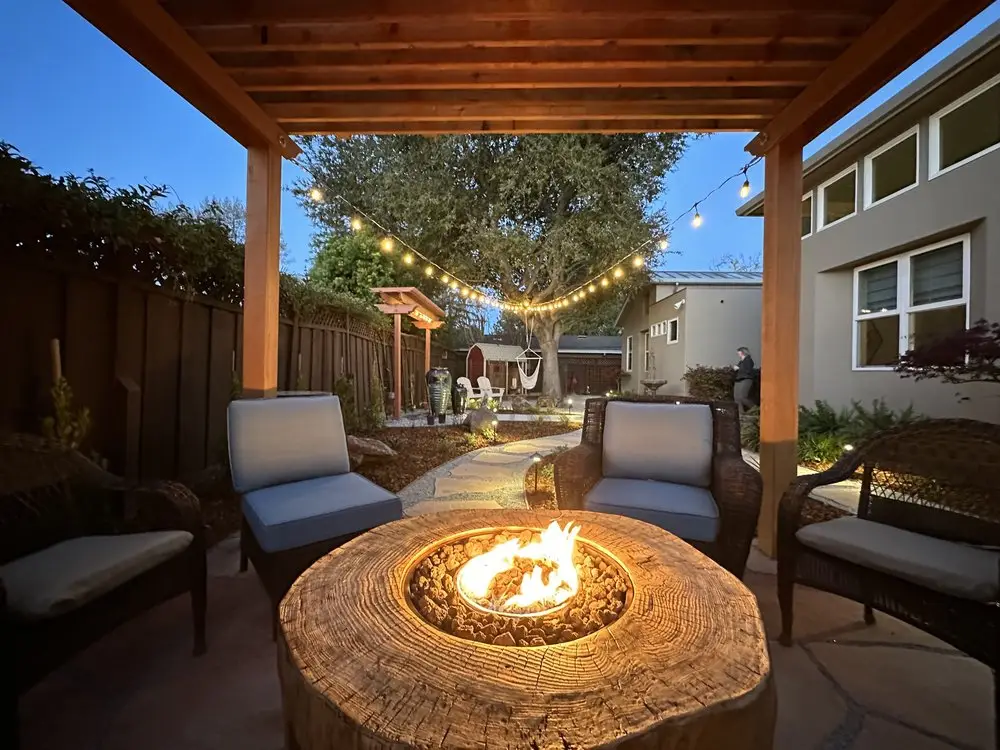
Planting, Hardscape, and Outdoor Living Working Together
Explore OE Landscape projects where planting, pathways, gathering spaces, hardscape, lighting, and architecture work together to create stronger outdoor views.
Explore Project Gallery
Ready to Improve the Views Around Your Home?
Tell OE Landscape what you see from your most-used windows and outdoor spaces, and start planning planting that connects the home and landscape more intentionally.