
How Professional Designers
Build Visual Balance
Learn how professional landscape designers create harmony through proportion, symmetry, asymmetry, planting, hardscape, repetition, color, focal points, and intentional open space.
Why Balanced Landscapes Feel More Complete
A beautiful landscape is not created by simply filling an outdoor space with plants, pathways, furniture, and decorative features. The most successful landscapes feel intentional. Every element appears connected, and nothing seems too heavy, empty, crowded, or out of place.
This sense of harmony is known as visual balance, and it is one of the most important principles professional designers use when planning outdoor spaces.
At OE Landscape, we see visual balance as the foundation of a landscape that feels comfortable, organized, and naturally connected to the home. Whether planning a modern landscape design, a welcoming front yard, or a complete outdoor living environment, balance helps bring all the individual elements together into one cohesive space.
Understanding Visual Balance in Landscape Design
Visual balance refers to how different elements are distributed throughout a landscape.
Imagine looking at a backyard where one side contains a large patio, several trees, and multiple planting beds while the opposite side is completely open. Even if every individual feature looks attractive, the overall space may still feel uneven.
Professional designers avoid this by considering the visual weight of every element.
Visual weight can come from:
- Plant size and density
- Trees and large shrubs
- Hardscape areas
- Walls and structures
- Outdoor furniture
- Water features
- Fire features
- Color
- Texture
- Height
- Open space
The goal is not necessarily to make both sides identical. Instead, the goal is to create a composition where different areas feel equally important and visually connected.
Symmetrical Balance Creates Structure
Symmetry is one of the easiest forms of visual balance to recognize.
In a symmetrical landscape, similar elements are placed on opposite sides of a central point. For example, matching trees may frame a walkway leading toward a front entrance, or identical planters may be positioned on both sides of an outdoor fireplace.
This approach works particularly well with homes that have formal or traditional architecture.
Symmetry can create a feeling of:
- Order
- Elegance
- Structure
- Consistency
However, too much symmetry can sometimes make a landscape feel overly rigid. Professional designers often introduce small variations in plant texture or height to keep the space interesting while maintaining its overall structure.
Asymmetrical Balance Creates a More Natural Look
Many contemporary landscapes rely on asymmetrical balance.
Instead of repeating the same elements on both sides, designers use different features that carry similar visual weight.
For example, a large specimen tree on one side of a yard might be balanced by a group of smaller shrubs and ornamental grasses on the opposite side.
The elements are not identical, but the overall composition still feels stable.
Asymmetrical balance is especially useful in modern and naturalistic landscapes because it allows more creativity while avoiding a perfectly mirrored appearance.
This approach is also well suited to many Southern California properties where outdoor spaces may include slopes, irregular lot shapes, existing trees, or architectural features that make perfect symmetry impractical.
Designers Balance Hardscape and Softscape
One of the most important relationships in landscape design is the balance between hardscape and softscape.
Hardscape includes permanent built features such as:
- Patios
- Walkways
- Retaining walls
- Pavers
- Outdoor kitchens
- Fire pits
- Seating areas
Softscape includes the living elements of the landscape, including trees, shrubs, flowers, grasses, and groundcovers.
When too much hardscape is used, a yard can feel cold or overly developed. When too many plants are placed into a small area, the landscape can feel crowded and difficult to maintain.
Professional designers create transitions between these areas.
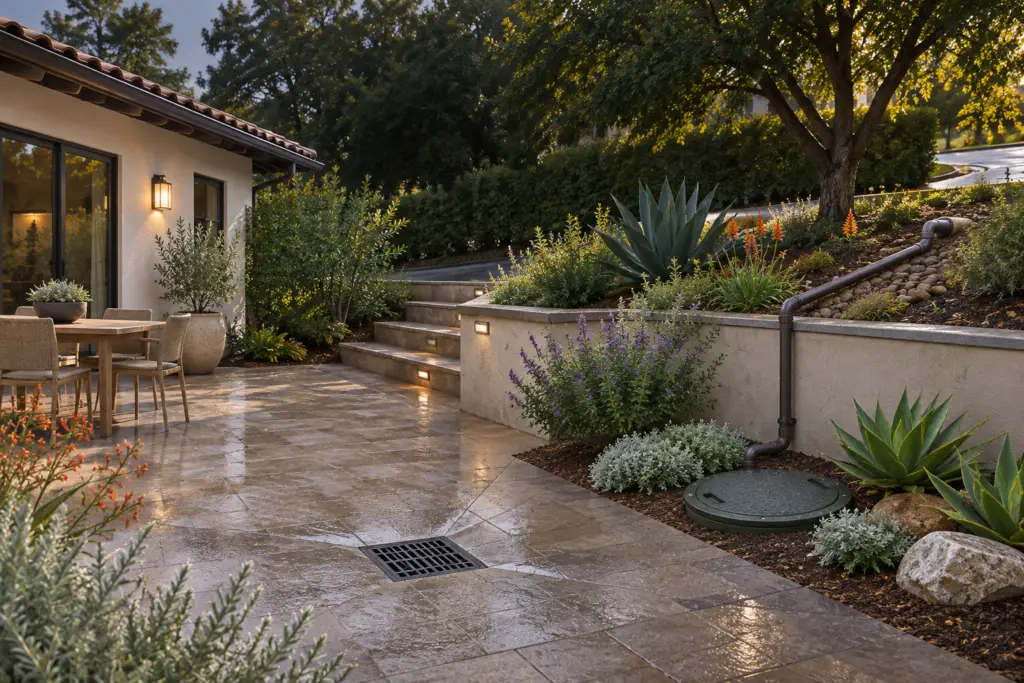
A large patio, for example, may be softened with planting beds along the perimeter. A walkway may be surrounded by low-growing plants that visually connect the hard surface to the surrounding landscape.
The result is an outdoor space where the architecture and planting design support one another instead of competing for attention.
Plant Heights Help Guide the Eye
Plant height plays a major role in visual balance.
Designers often organize planting areas using layers.
Lower plants may be placed near pathways and borders, medium-sized shrubs create structure behind them, and taller trees or screening plants provide a backdrop.
This creates depth and helps the landscape feel more natural.
Instead of seeing one flat planting bed, the eye moves gradually through different levels of vegetation.
Plant layering is particularly effective when creating privacy because it allows designers to introduce screening without making the landscape feel like a solid wall of vegetation.
Repetition Creates Visual Rhythm
Another important design technique is repetition.
Professional designers often repeat certain plants, colors, materials, or shapes throughout the property.
For example, the same ornamental grass might appear in several planting beds. A stone used in the front walkway might also appear around a backyard fire feature.
These repeated elements create visual rhythm.
As visitors move through the landscape, familiar colors and materials help connect different areas together.
Without repetition, a landscape can begin to feel like several unrelated ideas placed next to one another.
The key is moderation. Designers repeat enough elements to create consistency while introducing enough variety to keep the landscape interesting.
Color Should Be Distributed Carefully
Bright colors naturally attract attention.
Because of this, designers think carefully about where flowering plants, colorful foliage, decorative containers, and accent materials are placed.
If every bright color is concentrated in one corner of the property, the landscape may feel visually unbalanced.
Instead, accent colors can be repeated throughout several areas.
Neutral materials such as natural stone, concrete, wood, and green foliage often serve as the visual foundation, while stronger colors are used as accents.
This approach helps create a landscape that feels interesting without becoming overwhelming.
Open Space Is Part of the Design
One of the most common mistakes in landscaping is trying to fill every available area.
Professional designers understand that empty space is also a design element.
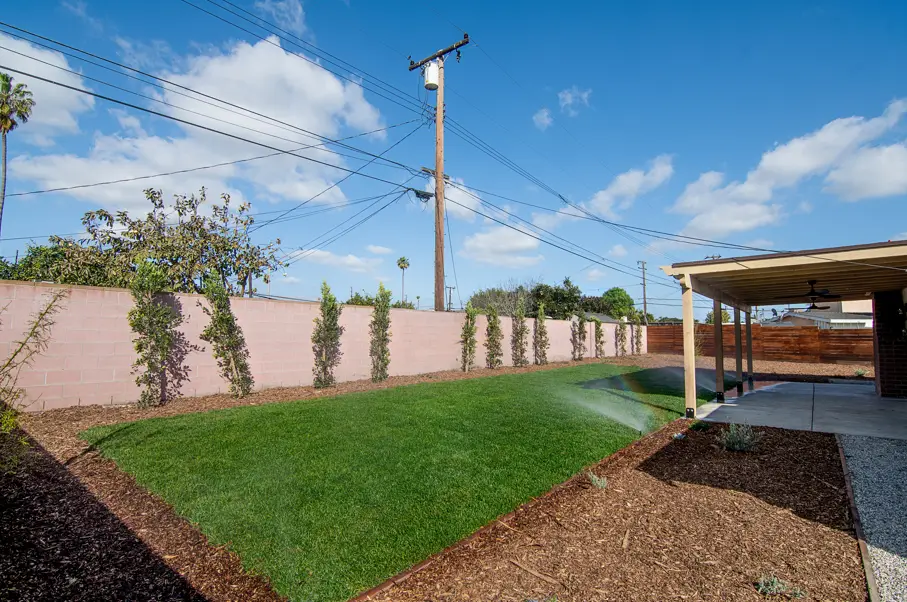
Open lawn areas, gravel zones, wide pathways, and uncluttered patios give the eye a place to rest.
These spaces also make surrounding plants and architectural features more noticeable.
A carefully positioned specimen tree often has more visual impact when it has room around it rather than being surrounded by dozens of competing plants.
Creating balance sometimes means deciding what not to add.
Focal Points Give the Landscape Direction
Most well-designed outdoor spaces contain one or more focal points.
A focal point might be:
- A mature tree
- A fire pit
- An outdoor fireplace
- A water feature
- A sculpture
- A pergola
- A dramatic planting arrangement
These features naturally attract attention and help organize the surrounding landscape.
However, professional designers are careful not to create too many competing focal points.
If every feature is trying to become the center of attention, the landscape can feel chaotic.
Instead, designers usually establish a primary focal point and then use smaller secondary features to support it.
Balance Changes as Plants Mature
One of the biggest differences between landscape design and interior design is that landscapes continue to grow.
A small shrub installed today may become several feet wide within a few years. Trees develop larger canopies, and groundcovers spread into surrounding areas.
Professional landscape planning considers these changes from the beginning.
Plants should be spaced according to their mature size rather than how they look immediately after installation.
Proper spacing not only protects the health of the plants but also helps preserve the intended visual balance of the landscape over time.
The Home Should Remain Part of the Composition
Landscape design should complement the architecture of the property.
Professional designers consider the home's proportions, materials, colors, windows, doors, and sightlines before deciding where major landscape elements should be placed.
For example, tall plants should not unintentionally block important architectural features unless screening is the goal.
Similarly, pathways and planting beds should help guide attention toward entrances, patios, and other important destinations.
When the landscape and architecture are planned together, the entire property feels more cohesive.
Creating a Balanced Outdoor Environment
Visual balance is rarely created by one dramatic feature. Instead, it comes from dozens of smaller decisions involving placement, proportion, color, texture, repetition, height, and open space.
Professional designers study how each part of the landscape relates to the others before deciding what should be added.
The result is an outdoor environment that feels natural, functional, and carefully considered.
At OE Landscape, we help bring professionally planned outdoor spaces to life through quality landscape installation and hardscaping, irrigation systems, plant installation, artificial turf, and outdoor living improvements.
Whether you are updating one area of your property or planning a complete landscape transformation, thoughtful installation helps ensure that every feature works together as part of one cohesive design.
Ready to improve your outdoor space? Contact OE Landscape to discuss your landscaping project, or use our Project Estimator to get started.
Create an Outdoor Space That Feels Intentional From Every Angle
Visual balance comes from thoughtful decisions about placement, proportion, planting, materials, open space, repetition, and focal points. When these elements support one another, the landscape feels cohesive rather than crowded or disconnected.
Planting, Hardscape, and Open Space Working Together
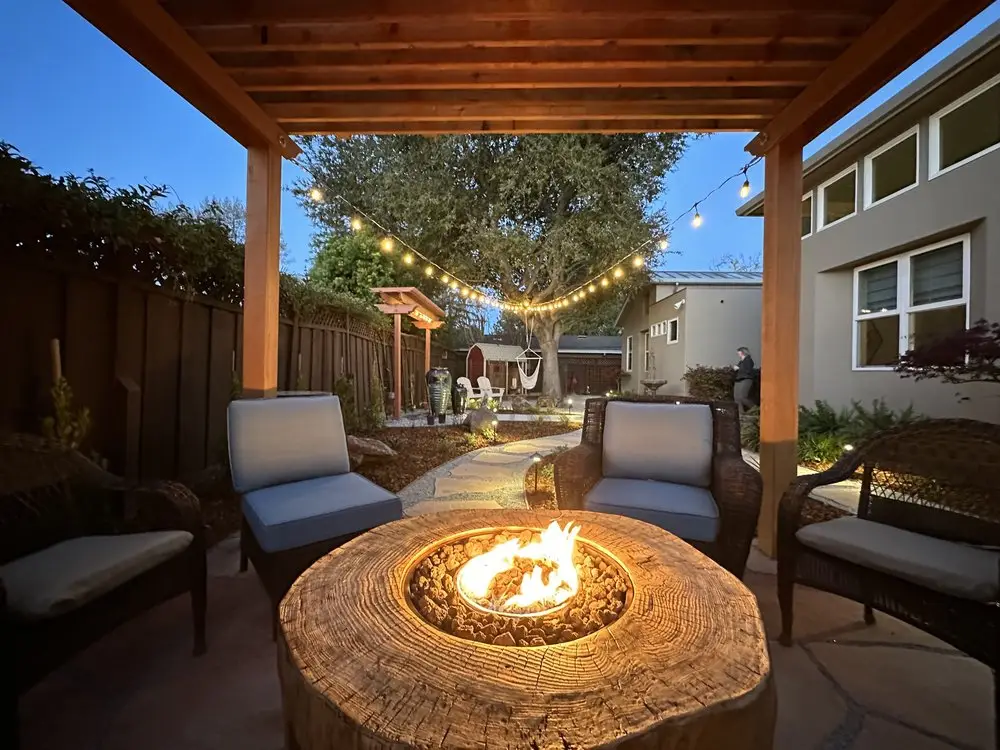
Explore OE Landscape projects where planting, pathways, gathering spaces, hardscape, focal points, and architecture work together as one coordinated outdoor environment.
Explore Project Gallery
Ready to Bring Your Landscape Together?
Tell OE Landscape what you want to improve, and start planning an outdoor space where planting, hardscape, focal points, circulation, and open areas work together more intentionally.