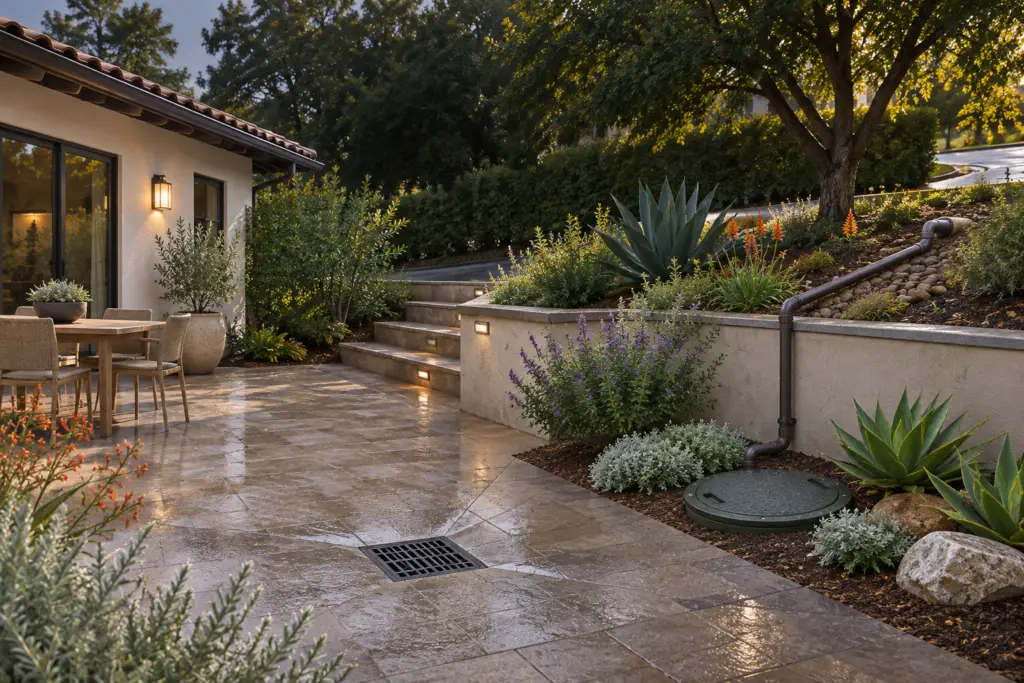

Sensory Planting Ideas
for a Calming Garden
Create a garden that feels as good as it looks through fragrance, texture, movement, color, sound, and thoughtful Southern California planting.
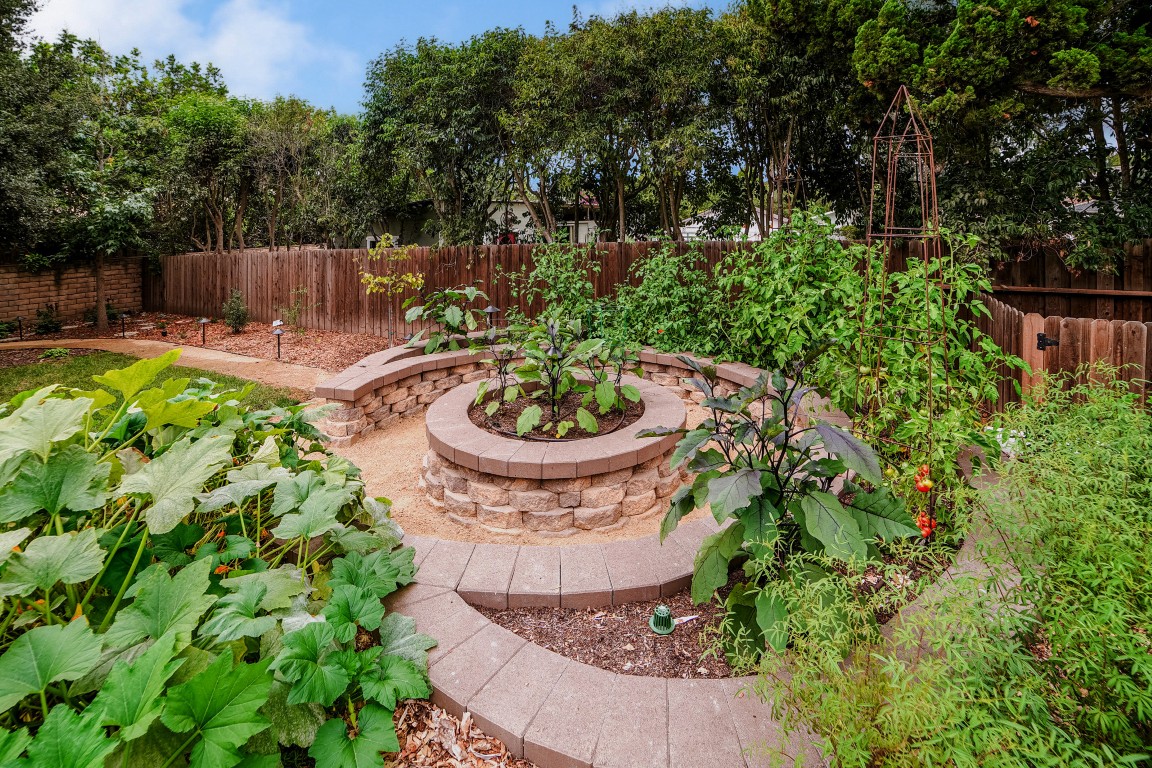
A Garden That Engages More Than the Eyes
A beautiful garden is not only something you see. The most memorable outdoor spaces engage several senses at once.
The scent of herbs warming in the sun, ornamental grasses moving in a light breeze, textured foliage beside a pathway, and the sound of leaves shifting overhead can all influence how a landscape feels.
This is the idea behind sensory planting.
Rather than choosing plants only for appearance, sensory gardens consider how plants contribute through color, fragrance, texture, movement, sound, and interaction.
At OE Landscape, we believe thoughtful planting can help turn an ordinary yard into a more comfortable and inviting outdoor environment. For Southern California properties, sensory planting can also work beautifully with drought-tolerant and climate-appropriate landscape design styles.
What Is a Sensory Garden?
A sensory garden is designed to engage multiple senses as people move through the landscape.
Plants may be selected because of their:
- Color
- Fragrance
- Texture
- Movement
- Sound
- Seasonal changes
- Edible qualities
The garden does not need to be large or elaborate.
A small planting bed near a patio can become sensory-rich when it combines fragrant herbs, soft ornamental grasses, textured foliage, and seasonal flowers.
The goal is to create an environment that feels interesting without becoming visually overwhelming.
Start With a Calm Planting Palette
Sensory planting does not mean using every color, texture, and plant variety available.
In fact, calming gardens often benefit from restraint.
Using a limited planting palette can make the overall landscape feel more organized.
Instead of filling each area with a different plant, designers may repeat a few carefully selected varieties throughout the property.
For example, a planting scheme might combine:
- Soft green foliage
- Silver or blue-green plants
- White or pale flowers
- Textured ornamental grasses
- A few stronger accent plants
Repeated throughout the garden, these elements create visual continuity.
The result feels intentional rather than crowded.
Use Fragrance Near Places People Spend Time
Fragrance can completely change the experience of an outdoor space.
A plant may look simple from a distance but become much more memorable when someone passes close enough to notice its scent.
For this reason, fragrant plants are often most effective near:
- Walkways
- Entry paths
- Patios
- Seating areas
- Outdoor dining spaces
- Garden gates
- Windows and doors
Placing fragrant plants where people naturally move allows their scent to become part of the everyday landscape experience.
In Southern California gardens, herbs such as rosemary, lavender, thyme, and sage can also complement drought-conscious planting and landscape design styles.
The key is moderation.
Too many strongly scented plants concentrated in one area may compete with one another, while carefully spaced fragrant plants create subtle moments throughout the garden.
Add Plants With Touchable Texture
Texture is one of the most overlooked elements in landscape design.
Some plants have soft, feathery foliage. Others have broad, smooth leaves, fine grasses, or structural forms.
Combining these textures creates depth and encourages closer interaction with the landscape.
For areas near pathways or seating, designers may use plants with softer foliage where they can be appreciated at close range.
Examples of useful textures include:
- Fine ornamental grasses
- Soft gray-green foliage
- Small-leaved herbs
- Broad architectural leaves
- Dense groundcovers
Texture is especially important in gardens that rely on a limited color palette because differences in leaf shape and structure prevent the landscape from appearing flat.
Let Ornamental Grasses Add Movement
A garden can feel completely different when plants move naturally with the wind.
Ornamental grasses are especially effective for this.
Their narrow foliage creates gentle movement, while seed heads can add another layer of texture.
Grasses can be used along pathways, around patios, within planting beds, or as transitions between larger shrubs and groundcovers.
When repeated throughout a landscape, they can create a sense of rhythm.
Movement also keeps the garden visually interesting even when plants are not flowering.
Instead of relying entirely on seasonal blooms, the landscape continues to change throughout the day as sunlight and wind move across the foliage.
Design With Sound in Mind
Plants contribute to the sound of a garden as well as its appearance.
Leaves moving in the wind, grasses brushing together, and tree canopies shifting overhead can create subtle background sound.
Trees and grasses can therefore serve a sensory purpose in addition to providing shade or visual structure.
The location matters.
A tree positioned near a seating area may create a different experience than the same tree placed at the far edge of the property.
Planting around a quiet patio can help make the area feel more enclosed and separated from surrounding activity.
Water features may also be incorporated into sensory landscapes when appropriate.
A small fountain or gentle water feature can introduce another layer of sound while becoming a focal point within the garden.
Use Color Without Overloading the Space
Color is usually the first thing people notice in a garden.
However, more color does not automatically create a better landscape.
For calming environments, designers often use a base of greens and neutrals, then introduce color in controlled amounts.
Soft colors such as white, pale purple, blue, or muted pink can create subtle accents.
Bolder colors can still be used, but they may work best as smaller focal points rather than covering the entire garden.
Planting several varieties with similar tones can also create a more cohesive effect.
For example, silver foliage combined with lavender-colored flowers can feel more unified than mixing many unrelated colors across the same bed.
Consider How Sunlight Changes the Plants
Sensory gardens should also be designed around light.
Morning light may make certain leaves appear brighter, while evening light can highlight grasses and translucent foliage.
Plants with fine leaves or seed heads can look especially dramatic when backlit.
Positioning these plants where late-afternoon sunlight reaches them can transform an ordinary planting bed into a focal point.
Shade is equally important.
Dark green plants, ferns where climate and conditions allow, and textured groundcovers can create quieter transitions beneath trees or covered areas.
By considering how sunlight moves across the property, designers can create different visual experiences throughout the day.
Add Edible Plants for Another Layer of Interaction
Some sensory gardens include edible plants such as herbs, citrus, or small kitchen-garden areas.
This creates another way for homeowners to interact with the landscape.
A few herbs near an outdoor cooking or dining space can be both practical and decorative.
Potential options may include:
- Rosemary
- Thyme
- Sage
- Mint in controlled containers
- Basil in seasonal plantings
- Citrus trees
Edible plants should be placed where they are easy to reach and maintain.
They do not need to be separated into a traditional vegetable garden.
In many landscapes, herbs can be integrated directly into ornamental planting areas.
Create Layers Instead of Flat Planting Beds
A calming garden becomes more visually interesting when plants are arranged at different heights.
Layering typically begins with taller plants or trees in the background, followed by medium-sized shrubs, smaller perennials or grasses, and groundcovers at the front.
This approach creates depth.
Instead of seeing one flat row of plants, the eye moves naturally through different levels.
Layered planting can also help soften fences and walls.
A tall background screen combined with medium shrubs and lower grasses feels more natural than a single hedge planted along the entire property line.
Use Repetition to Make the Garden Feel Connected
Repetition is one of the simplest ways to create calm within a planting design.
When the same plant appears several times across a landscape, the eye begins to recognize a pattern.
This creates visual rhythm.
For example, the same ornamental grass might appear along a walkway, near a patio, and again in a distant planting bed.
The areas are not identical, but the repeated plant connects them.
Materials can work the same way.
Stone, gravel, wood, or pavers repeated throughout the garden can strengthen the relationship between planting areas and hardscape and landscape services.
Avoid Overcrowding
One of the most important parts of sensory planting is knowing when to stop.
A calming garden needs breathing room.
Too many plant varieties can make the landscape feel busy, while overcrowded beds may become difficult to maintain as plants mature.
Professional planting plans consider the mature size of each plant.
Spacing plants correctly allows their natural shape to develop and helps maintain the intended composition over time.
Open areas between larger plant groups can also make individual textures, colors, and forms easier to appreciate.
Create Small Sensory Moments Along Pathways
Sensory gardens do not need one large focal point.
Instead, they can provide several smaller experiences as someone moves through the property.
A pathway might pass:
- A fragrant herb planting
- A group of moving grasses
- A textured groundcover
- A flowering accent plant
- A shaded seating area
Each moment contributes something different.
This approach can make even a compact yard feel more interesting because the landscape reveals itself gradually.
Give Seating Areas Their Own Planting Character
Seating areas are ideal locations for sensory planting because people spend more time there.
The planting around these spaces can be selected specifically for close-up enjoyment.
A patio might be bordered by ornamental grasses and fragrant herbs.
A quiet bench could be positioned beneath a tree with layered foliage nearby.
An outdoor dining area might include herbs or citrus within easy reach.
The important thing is to consider what people will see, smell, hear, and experience while sitting in the space.
Planting should contribute to the atmosphere without making the area feel enclosed or crowded.
Consider Seasonal Change
A sensory garden should not depend on one short flowering season.
Professional landscape planning considers how the garden changes throughout the year.
Some plants provide flowers during one season while others contribute attractive foliage, bark, seed heads, or structure later.
Evergreen plants can provide a consistent foundation.
Seasonal plants can then introduce periods of color and fragrance.
This combination allows the garden to evolve while maintaining its overall structure.
Choose Plants That Fit Southern California Conditions
Plant selection should always consider the local environment.
Southern California landscapes may experience strong sun, warm summers, dry periods, and varying soil conditions.
Choosing plants that are appropriate for the property can make the landscape easier to maintain.
California native and drought-tolerant plants can provide excellent sensory qualities, including interesting foliage, fragrance, seasonal flowers, and movement.
The right plant for one property may not work for another.
Sun exposure, irrigation, soil, available space, and desired maintenance level should all influence the final selection.
Combine Sensory Planting With Efficient Irrigation
Healthy planting requires appropriate watering.
Grouping plants with similar water needs can make irrigation more efficient and simplify maintenance.
For example, drought-tolerant plants can be grouped together rather than mixed randomly with plants requiring frequent watering.
A properly planned irrigation system can deliver water according to the needs of different planting zones.
This helps support plant health while avoiding unnecessary water use.
Sensory design and practical landscape management should work together.
Keep Pathways Comfortable and Accessible
The way people move through the garden is part of the sensory experience.
Walkways should feel clear and comfortable while allowing visitors to experience plants at close range.
Planting near paths should be positioned carefully so mature foliage does not create unnecessary obstacles.
Paths can also vary in character.
A clean paver walkway may suit a modern landscape, while gravel or stepping stones can create a softer garden atmosphere.
The materials underfoot contribute another texture to the outdoor environment.
Let the Garden Feel Natural Rather Than Perfect
A sensory garden does not need to look perfectly symmetrical.
Natural variation often makes planting more interesting.
Groups of grasses may be arranged loosely rather than in exact rows.
Shrubs can be layered instead of mirrored.
A specimen tree may anchor one side of the yard while a larger planting group creates balance elsewhere.
This controlled asymmetry can make the landscape feel relaxed while still appearing professionally planned.
Design a Garden You Want to Experience
The most successful gardens invite people to spend time in them.
They offer something beyond appearance.
A sensory landscape might encourage someone to notice the fragrance of an herb while walking past, sit beneath a moving tree canopy, enjoy the texture of grasses beside a patio, or watch changing light move across the garden in the evening.
These small experiences can make an outdoor space feel more personal and memorable.
At OE Landscape, we help Southern California homeowners bring outdoor spaces to life through professional landscape installation, plant installation, hardscaping, irrigation systems, artificial turf, and outdoor living improvements.
By combining thoughtful planting with appropriate materials and functional outdoor spaces, a property can become more than something to look at—it can become a landscape designed to be experienced.
Ready to create a more inviting garden? Contact OE Landscape to explore planting and landscape ideas designed around the way you want to experience your outdoor space, or use our Project Estimator to get started.
Create a Calming Outdoor Space Around the Way You Live
Sensory planting can help transform an ordinary yard into an environment that feels more comfortable, memorable, and enjoyable throughout the day.
Planting, Hardscape, and Outdoor Living Working Together
Explore OE Landscape projects that combine planting, pathways, gathering spaces, turf, hardscape, and outdoor-living improvements.
Explore Project Gallery
Ready to Create a More Inviting Outdoor Space?
Tell OE Landscape how you want your garden to look, feel, and function, and start planning a landscape built around your property and lifestyle.