Why Simplicity Often Creates
the Best Landscapes
See how fewer materials, repeated planting, clear circulation, purposeful focal points, open space, and thoughtful editing can create landscapes that feel calmer, stronger, and easier to use.
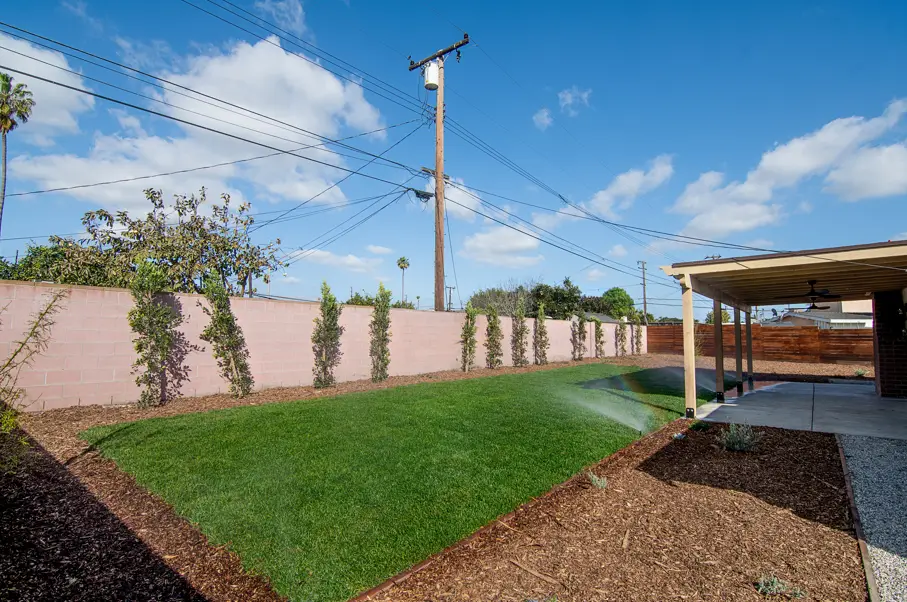
Simple Landscapes Can Still Feel Rich and Personal
A beautiful landscape does not have to contain dozens of plant varieties, multiple paving materials, elaborate features, and something interesting in every corner.
In many cases, the opposite creates a stronger result.
The most memorable landscapes often feel simple. They have clear organization, carefully selected plants, consistent materials, comfortable open space, and features that appear to belong exactly where they are.
That simplicity does not mean the design was easy.
Creating a landscape that feels effortless often requires careful decisions about what to include—and just as importantly, what to leave out.
At OE Landscape, we believe simplicity can help outdoor spaces feel more organized, functional, welcoming, and connected to the architecture of the home.
Simple Does Not Mean Empty
One of the biggest misconceptions about simple landscape design is that it means removing personality.
A simple landscape can still contain:
- Trees
- Flowering plants
- Outdoor living areas
- Fire features
- Patios
- Walkways
- Grasses
- Stone
- Turf
- Lighting
- Outdoor kitchens
The difference is how those elements are organized.
Rather than trying to make every feature stand out, simple landscapes create hierarchy.
A few elements become focal points while the rest support them.
This allows the property to feel interesting without becoming overwhelming.
Start With a Clear Purpose
Before choosing plants or materials, ask what the landscape actually needs to accomplish. A clear landscape design helps organize those priorities before construction.
Perhaps the priorities are:
- Creating a comfortable entertaining space
- Improving curb appeal
- Adding privacy
- Making the backyard easier to maintain
- Creating room for children or pets
- Building an outdoor dining area
- Reducing water use
- Improving circulation
When the purpose is clear, unnecessary features become easier to identify.
Every major design decision can then support how the property will actually be used.
This creates a landscape that feels intentional instead of accumulated over time.
Use Fewer Plant Varieties More Effectively
A common mistake is assuming that more plant varieties automatically create more visual interest. See our guide to plants that thrive with less attention.
Sometimes they simply create clutter.
A stronger approach is often to select a smaller palette and repeat those plants throughout the landscape.
For example, a planting design might include:
- One or two tree varieties
- Several structural shrubs
- A repeated ornamental grass
- One groundcover
- Selected seasonal accents
Repeating plants creates rhythm.
It also helps separate planting areas feel connected to one another.
Instead of noticing every plant individually, people begin to experience the landscape as a complete composition.
Repetition Creates Calm
The eye naturally looks for patterns.
When certain plants, materials, shapes, or colors appear repeatedly, the landscape becomes easier to understand.
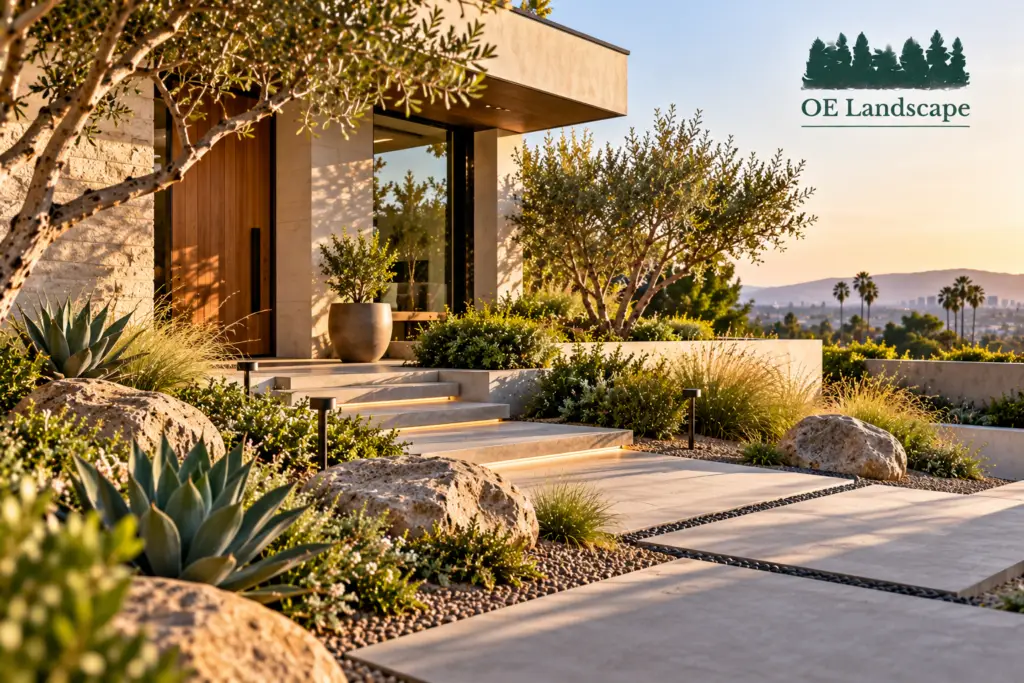
A paver or hardscape material used near the front entrance might appear again on the backyard patio.
The same ornamental grass may repeat along different walkways.
One stone material might appear in both a retaining wall and fire feature.
These repeated elements create familiarity.
They also reduce the need to introduce something new every time the landscape changes function.
Consistency can make even a large property feel unified.
Give Plants Room to Grow
Simplicity is easier to maintain when plants have adequate space.
A newly installed landscape may look sparse at first, which can tempt homeowners to add more plants.
However, landscapes change.
Shrubs widen.
Trees develop larger canopies.
Groundcovers spread.
Grasses mature into fuller forms.
Planting according to mature size helps prevent overcrowding later.
It also allows each plant to develop more naturally rather than requiring constant pruning to keep everything contained.
Sometimes a landscape does not need another plant.
It simply needs time.
Let One Feature Be the Focal Point
When everything tries to attract attention, nothing truly stands out.
A strong landscape usually benefits from having a clear focal point. This also supports stronger visual balance.
That feature might be:
- A specimen tree
- A fire pit
- An outdoor fireplace
- A water feature
- A sculptural plant
- An outdoor kitchen
- A dramatic view
- A distinctive planting arrangement
The surrounding landscape should help direct attention toward it.
Keeping nearby elements quieter gives the focal point more impact.
This approach is often more effective than filling the yard with several competing statement features.
Use Open Space Intentionally
Open space is one of the most powerful tools in landscape design.
It gives the eye somewhere to rest.
It can also make surrounding features appear stronger.
Open space might take the form of:
- A lawn
- Artificial turf
- Gravel
- A simple patio
- A clear walkway
- Space between planting groups
Without these quieter areas, a landscape can feel visually compressed.
Open space also improves function by providing room for movement, gathering, recreation, or future flexibility.
Limit Hardscape Materials
Contemporary outdoor projects often involve several hardscape elements.
There may be patios, walkways, steps, retaining walls, seating walls, outdoor kitchens, and fire features.
Using a different material for every feature can quickly make the property feel fragmented.
Instead, consider establishing a limited material palette.
For example:
- One primary paving material
- One complementary gravel
- One wall or stone finish
- One accent material such as wood or metal
These materials can appear in different areas while maintaining a consistent visual language.
The result often feels more refined.
Simplify Transitions
Every transition does not need a decorative border.
Concrete can meet gravel.
Pavers can meet planting.
Turf can transition into a simple edge.
When too many bands, borders, and accent materials are introduced, the landscape can start to feel busy.
Clean transitions allow the main shapes of the design to remain visible.
They can also reduce maintenance by eliminating unnecessary seams and small material changes.
Use Strong Shapes
Simple landscapes often rely on clear forms.
A rectangular patio, broad planting bed, defined lawn area, or straight walkway can create structure.
The shape itself does much of the visual work.
This can be more effective than creating several small or irregular areas.
Strong shapes also help outdoor spaces feel organized.
People intuitively understand where to walk, where to gather, and where planting begins.
Keep Circulation Obvious
One sign of a successful landscape is that people do not have to think about how to move through it.
Paths should lead clearly between important destinations.
For example:
- Driveway to front door
- House to patio
- Patio to pool
- Backyard to side gate
- Dining area to outdoor kitchen
Keeping these routes simple improves both appearance and function.
Overly complicated pathways can consume space and introduce unnecessary materials.
Clear circulation makes the entire property feel easier to use.
Simplify the Front Yard First
The front yard often creates the first impression of the property. Review our landscape planning tips before construction when organizing a larger project.
Simple front landscapes can feel especially strong because they allow the architecture to remain visible.
Consider focusing on:
- A clear entry path
- A strong tree
- Repeated planting
- A limited material palette
- Defined edges
- Strategic lighting
The goal is to support the home, not overwhelm it.
A simple planting arrangement can often make architectural features more noticeable than a yard filled with many unrelated plants.
Let the Architecture Lead
The home already provides a visual framework.
Rooflines, walls, windows, entryways, exterior colors, and architectural materials can guide landscape decisions.
A landscape does not need to introduce a completely different style.
Instead, it can respond to what is already there.
For a modern home, this may mean clean planting masses and simple paving.
For a more traditional home, it may mean softer planting and natural materials.
Simplicity becomes easier when the architecture establishes the direction.
Avoid Filling Every Corner
Empty corners often make people feel that something is missing.
But not every corner needs a tree, planter, sculpture, or planting bed.
Sometimes leaving an area quiet helps the rest of the landscape feel more spacious.
Before adding another feature, ask whether it serves a real purpose.
Does it improve:
- Function?
- Shade?
- Privacy?
- Movement?
- Views?
- Comfort?
If not, the landscape may be stronger without it.
Choose Plants for Multiple Purposes
Simple landscapes work best when each plant contributes more than one benefit.
A tree might provide:
- Shade
- Privacy
- Structure
- A focal point
- Seasonal interest
A shrub might provide:
- Screening
- Greenery
- Texture
- Flowers
An ornamental grass may provide:
- Movement
- Softness
- Repetition
- Contrast with hardscape
Choosing plants that perform several roles reduces the number of elements needed to make the landscape successful.
Use Color Selectively
Color becomes more powerful when it is controlled.
If every planting bed contains several bright colors, the landscape may feel visually busy.
Instead, designers may establish a base of green and neutral foliage, then introduce selected flowering colors.
Repeating the same color in several locations creates connection.
It can also make individual blooms feel more noticeable.
A limited palette does not make a landscape boring.
It gives color more purpose.
Use Texture Instead of Excess Variety
A simple garden can still have significant visual richness.
Texture is one way to achieve this.
Plants may have:
- Fine leaves
- Broad foliage
- Soft grasses
- Smooth surfaces
- Dense evergreen growth
- Sculptural forms
Combining several textures within a limited plant palette creates interest without needing dozens of species.
Hardscape textures can contribute as well.
Smooth concrete may contrast with gravel.
Natural stone may sit beside soft planting.
Wood may warm a clean stucco wall.
Texture provides depth while preserving simplicity.
Keep Privacy Targeted
Privacy is important, but surrounding an entire property with dense planting may make the yard feel smaller.
Instead, identify where privacy is actually needed.
This might include:
- A dining patio
- Lounge seating
- A spa
- A bedroom window
- A neighboring upper-story view
Then use trees, shrubs, walls, or screens strategically.
Selective privacy can make an outdoor space feel protected without creating a completely enclosed environment.
Simplify Outdoor Living Zones
Outdoor spaces often need to accommodate several activities. See our backyard transformation ideas.
Rather than filling the backyard with many small areas, focus on the functions homeowners will use most.
A practical layout might include:
- One main dining area
- One lounge area
- One open recreation area
- Planting around the perimeter
These spaces can still contain fire features, kitchens, shade, or other amenities.
The important thing is that each zone has a clear purpose.
Too many small areas can make a backyard feel fragmented.
Keep Furniture Proportional
Even a simple landscape can feel crowded if there is too much outdoor furniture.
Consider how many people typically use the space.
Choose seating that fits the patio without blocking circulation.
Leaving open areas around furniture can make the space feel larger and more comfortable.
It also allows hardscape and planting to remain visible.
The goal is to furnish the landscape, not fill it.
Treat Lighting With Restraint
Outdoor lighting is most effective when it feels intentional.
It does not need to illuminate every plant and wall.
Instead, focus on:
- Steps
- Main pathways
- Entrances
- Trees
- Key architectural features
- Outdoor gathering areas
Selective lighting creates contrast between light and shadow.
It can make a relatively simple landscape feel more dramatic after dark.
Overlighting, by comparison, can flatten the entire property and reduce the atmosphere.
Simplify Water Features
A water feature can become a powerful focal point without needing elaborate decoration.
A clean wall fountain, simple basin, or understated water element may complement the landscape more effectively than a highly detailed installation.
The sound and movement of water already provide interest.
Keeping the form simple allows those qualities to become the focus.
Use Fewer Decorative Accessories
Pots, sculptures, signs, garden ornaments, and decorative accessories can add personality.
But they are also easy to accumulate.
A few thoughtfully positioned pieces usually have greater impact than many smaller items.
Consider using:
- One large planter instead of several small ones
- One sculpture in a strong location
- Repeated pots in the same material
- One decorative feature at the end of a sightline
Editing accessories can instantly make a landscape feel cleaner.
Keep Small Yards Especially Simple
Simplicity is particularly valuable in compact outdoor spaces. See ideas for unused corners and side yards.
In a small yard, nearly everything is visible at once.
Too many materials and features can quickly make the property feel cramped.
A smaller space may benefit from:
- One paving material
- One main seating area
- A small number of repeated plants
- One focal feature
- A simple color palette
Restrained design can make a small yard feel more spacious and organized.
Create Stronger Sightlines
Clear sightlines help outdoor spaces feel larger.
Look through the property from important locations.
What do you see from:
- The front door?
- Living room?
- Kitchen?
- Patio?
- Outdoor dining area?
Removing one unnecessary shrub or relocating a feature may open a view toward a tree, garden, or attractive section of the yard.
Simplicity often improves depth because fewer objects interrupt the view.
Let Mature Trees Stand Out
Existing mature trees are often some of the most valuable elements in a landscape.
Instead of surrounding them with too many competing plants and features, give them enough space to remain visible.
A simple groundcover, gravel surface, or limited planting beneath a tree may be all that is needed.
Allowing mature trees to become natural focal points can reduce the need for additional decorative features.
Design for Maintenance
A landscape that requires constant trimming, cleaning, edging, and replacement may eventually become difficult to enjoy.
Simplicity can support easier maintenance.
Using fewer plant varieties can make care more predictable.
Selecting plants based on mature size can reduce pruning.
Repeating materials can simplify repairs.
Grouping plants with similar water needs can support more efficient irrigation. The UC Davis WUCOLS database is a useful California plant-water reference.
A thoughtfully simplified landscape can continue looking intentional without demanding excessive attention. The EPA WaterSense landscaping tips offer additional water-smart guidance.
Simplify Irrigation Along With Planting
Planting and irrigation should work together.
When plant types are scattered randomly throughout the yard, their water requirements may be difficult to manage efficiently.
Grouping compatible plants can make irrigation zoning more practical.
Drought-tolerant plants can share similar watering schedules. See California DWR MWELO guidance for water-efficient landscape planning.
Plants requiring more moisture can be located together.
This creates a landscape that is visually simpler and easier to manage.
Allow Natural Materials to Do the Work
Stone, wood, gravel, plants, and other natural textures often provide enough visual interest without additional decoration.
A large stone wall may not need several accent materials.
A wood pergola may not require elaborate detailing.
A gravel planting area may need only a few well-positioned plants.
Allowing materials to remain visually clear can create a more timeless outdoor environment.
Avoid Designing Around Short-Term Trends
Landscape trends change.
Materials, plant combinations, and decorative features that are popular today may look dated later.
Simple landscapes often age better because they rely on fundamental design ideas:
- Proportion
- Repetition
- Balance
- Function
- Quality materials
- Appropriate plant selection
Trends can still influence small details, but the overall landscape should respond primarily to the property and the homeowner's lifestyle.
Simplicity Can Make Quality More Visible
When there are fewer competing elements, craftsmanship becomes easier to notice.
Clean paving transitions stand out.
Well-built walls become part of the composition.
Healthy plants have more visual presence.
Properly installed lighting feels intentional.
A smaller number of high-quality features can create a stronger impression than many average ones.
Simplicity places greater emphasis on execution.
Leave Room for the Landscape to Evolve
Outdoor spaces are never completely finished.
Plants grow.
Trees mature.
Homeowners' needs change.
A landscape with some open space can adapt.
A future seating area may be added.
A tree may eventually become the dominant focal point.
A garden may expand.
Designing every square foot immediately can reduce that flexibility.
Simplicity gives the landscape room to evolve naturally over time.
Know When to Stop Adding
One of the hardest parts of landscape design is recognizing when the property already has enough.
Once the main needs are met, adding another feature may not improve the result.
A landscape might already have:
- Comfortable seating
- Good shade
- Attractive planting
- Clear circulation
- Privacy
- Functional lighting
At that point, another feature may simply create competition.
Knowing when to stop can be as important as knowing what to add.
Simple Landscapes Can Still Feel Personal
Simplicity does not mean creating the same landscape for every home.
The character can still come from:
- Plant selection
- Materials
- Architecture
- Furniture
- Trees
- Outdoor features
- Color
- Texture
The difference is that these choices are edited carefully.
A simple design can reflect the homeowner's personality while remaining organized.
In fact, fewer elements may allow the most personal features to become more noticeable.
Create More Impact With Less
The strongest landscapes are not always the ones with the most features.
They are often the ones where each element has a purpose.
A tree creates shade and structure.
A patio creates room for gathering.
Repeated grasses soften hardscape.
One material connects multiple areas.
Open space gives the design breathing room.
Together, these decisions create clarity.
At OE Landscape, we help Southern California homeowners with landscape installation and hardscaping, plant installation, irrigation systems, artificial turf, drainage solutions, and outdoor living improvements.
Whether you're planning a complete landscape transformation or simplifying an existing yard, thoughtful design and quality installation can create an outdoor environment that feels beautiful without feeling complicated.
Ready to create a cleaner, more intentional outdoor space? Contact OE Landscape or start with our Project Estimator.
Create More Impact With Less
Good planting, useful open space, coordinated materials, comfortable gathering areas, and simple circulation can create a landscape that feels complete without feeling crowded.
See How Strong Materials and Planting Create Clearer Outdoor Spaces
Explore OE Landscape projects where hardscape, planting, open areas, turf, circulation, and outdoor-living features work together without unnecessary visual clutter.
Explore Project Gallery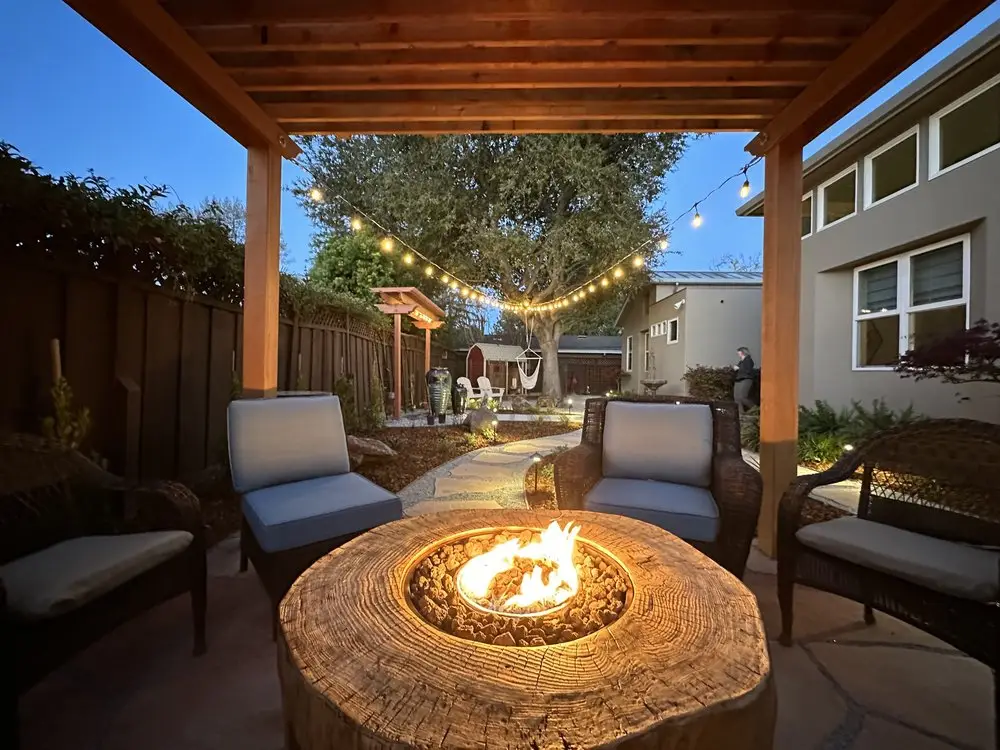
Ready to Create a Cleaner, More Intentional Outdoor Space?
Start planning a yard where planting, materials, open space, circulation, and outdoor living features all have a clear purpose.