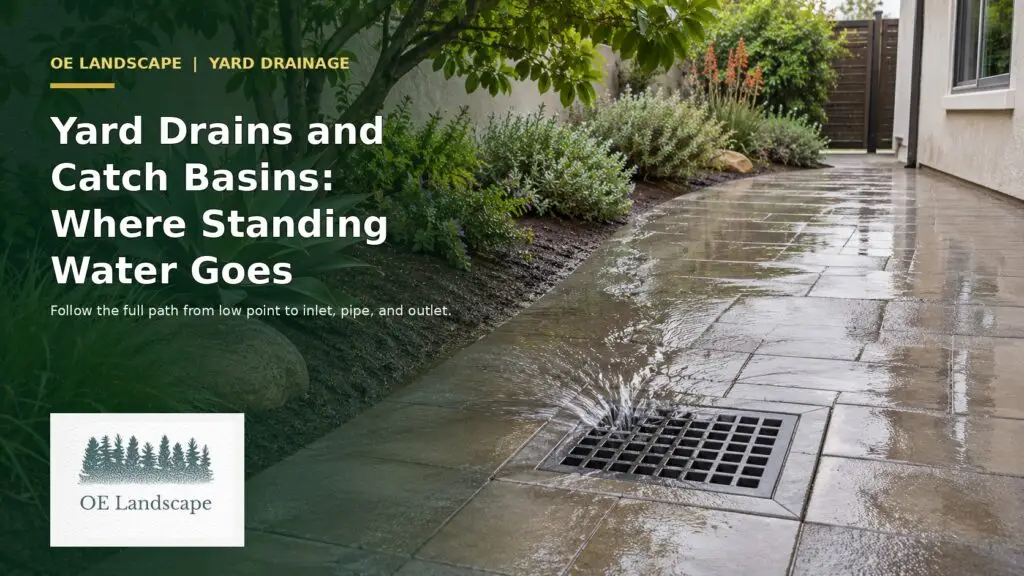
Yard Drains and Catch Basins: Where Standing Water Goes
Yard drains and catch basins collect runoff at low points, let sediment settle below the grate, and send water through underground solid pipe toward an appropriate outlet. Their performance depends on grading, inlet placement, pipe routing, outlet conditions, and routine maintenance.
CA C-27 License #1109316 | Bonded & Insured | Serving Southern California
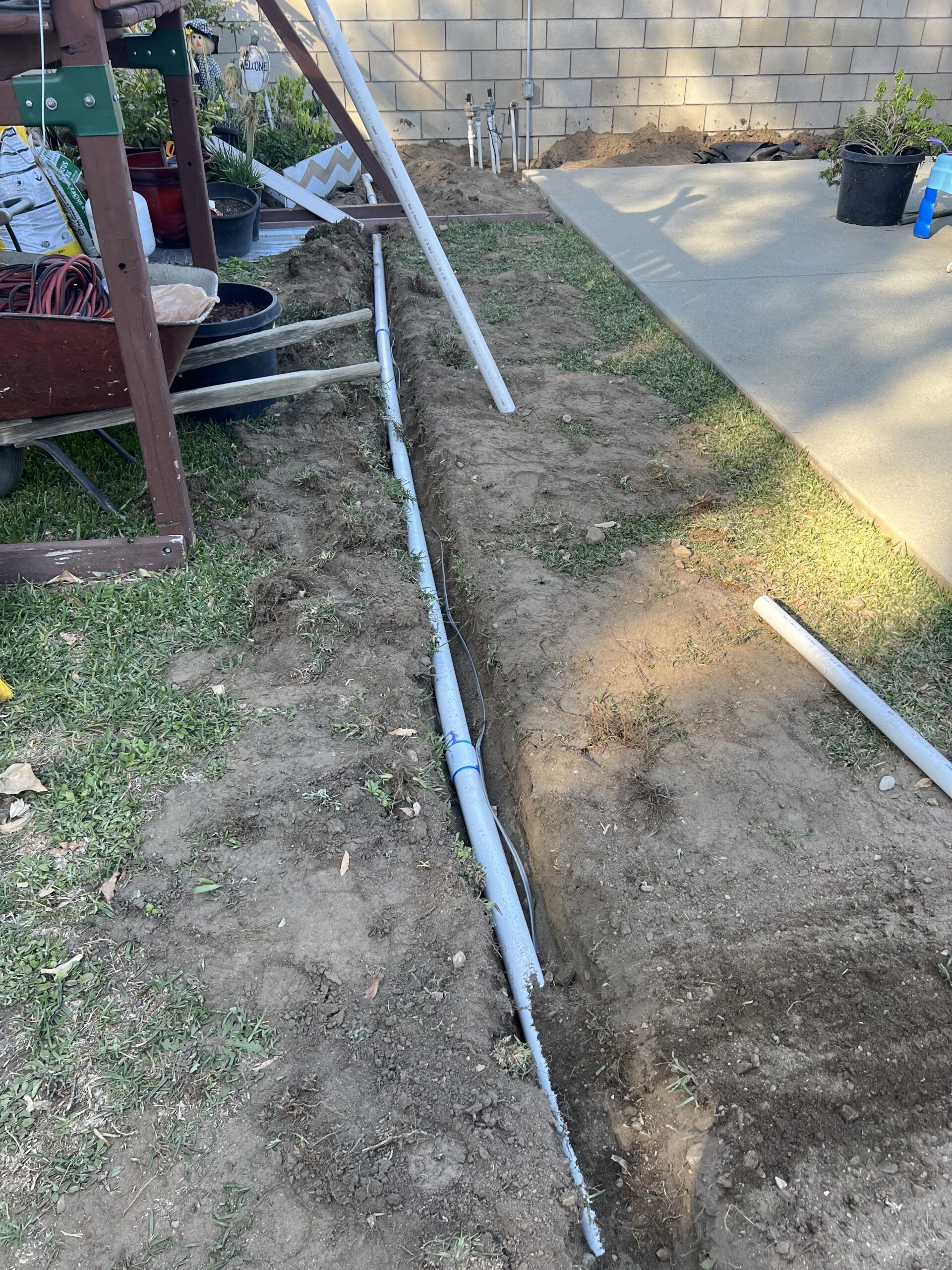
Surface drainage works best when the inlet, surrounding grade, pipe route, and outlet are planned together.
From the Low Point to a Safe Outlet
Standing water is the visible result of runoff reaching a place where it cannot continue. Yard drains and catch basins collect that surface water and connect it to an underground route, but the grate is only one part of a working system.
OE Landscape evaluates drainage in the context of the whole property, including grading, downspouts, hardscape, planting, irrigation, pipe routing, and discharge conditions. Homeowners can also review the California Water Boards stormwater overview and Los Angeles wet weather preparedness guidance.
Where Standing Water Goes After It Reaches a Drain
When rain leaves the same part of a lawn, planting bed, or side yard under water, the puddle is usually the last visible stop in a larger runoff path. Water may have arrived from a roof, patio, driveway, slope, irrigation zone, or neighboring high point before settling in the lowest area it can reach.
Yard drains and catch basins give that surface water a controlled collection point. Water crosses the surrounding grade, passes through a grate, enters a basin or inlet, and then moves through underground solid pipe toward an appropriate discharge location. The grate is only the visible beginning of the system.
For Southern California homeowners, the useful question is not simply whether a drain can be placed in a puddle. A complete yard drains and catch basins plan must confirm whether the entire route - source, grade, inlet, pipe, and outlet - can move runoff without sending it toward a structure, neighboring property, or an unsuitable discharge point.
How Yard Drains and Catch Basins Work Together
A yard drain, also called an area drain or landscape drain, is a surface inlet placed where runoff naturally gathers. Its grate sits at or slightly below the finished grade so water can flow into the opening rather than stop beside it.
A catch basin adds a box below the grate. Water enters the box before reaching the outlet pipe, which creates space for some soil, leaves, and other debris to settle below the pipe connection. That sediment space does not make the basin self-cleaning, but it can help keep larger material from moving immediately into the drainage line.
The terms are often used loosely because many residential systems combine both functions. A smaller area drain may serve a limited planting bed or lawn depression, while a larger landscape catch basin may be used where more runoff or sediment arrives. Several inlets can also connect to a shared solid drainage line when the route and capacity are properly planned.
- Grate: admits surface runoff while blocking larger debris.
- Basin or inlet body: receives water and may provide sediment storage.
- Outlet connection: carries water from the basin into the drainage line.
- Solid pipe: conveys collected water without intentionally absorbing it into the surrounding soil.
- Discharge point: releases or manages water at a location appropriate for the property and local requirements.
The Best Location Is the True Low Point
Yard drains and catch basins can collect only the water that reaches them. A basin installed a few inches above the true low point may leave a puddle beside the grate, even if the underground pipe is clear. The surrounding surface should pitch gently toward the inlet, and soil, mulch, gravel, or turf should not form a raised rim that blocks flow.
Watch the yard during rain when it is safe to do so. Note where water begins, which surfaces concentrate it, where two runoff paths meet, and how long the low area stays wet. Also check downspouts, irrigation overspray, leaking valves, patio edges, retaining walls, and narrow side yards. A photograph taken during or just after rain can be more useful than inspecting a dry yard days later.
Placement near a house deserves extra care. Water should generally be directed away from structures. Because yard drains and catch basins cannot correct a broader grade that continually pushes runoff toward the building, regrading or downspout routing may need to be part of the plan.
What Happens Below the Grate
Once water enters the inlet, it must have a dependable route out. Residential surface drainage typically uses solid pipe because the goal is to convey collected runoff. The pipe needs a practical downhill path, suitable connections, access for maintenance where appropriate, and an outlet that will remain open during a storm.
A common mistake is to focus on the basin while overlooking the outlet. For yard drains and catch basins to keep working, the end of the line must remain open and able to receive the collected flow. If the outlet is buried, blocked, too high, or overwhelmed, water can back up into the inlet. The same problem can occur when a pipe is undersized for the amount of runoff or when too many roof and landscape sources are connected without considering the combined flow.
Discharge rules and site conditions vary by city and property. Collected water should not be redirected in a way that damages neighboring property, creates erosion, or carries landscape pollutants into the street. Before connecting to a curb, public system, or other regulated location, confirm local requirements and obtain any required approval.
When a Different Drainage Solution Fits Better
Yard drains and catch basins are strongest when the problem is visible surface water moving toward a point. They are not interchangeable with every other drainage method.
A French drain is designed to intercept water moving through saturated soil and gravel below the surface. It may be a better fit when the ground stays soggy even after visible puddles disappear. Some yards need both systems: a catch basin for runoff at a low point and a French drain for persistent subsurface moisture along a slope or planting area.
A channel drain collects runoff along a line rather than at one point. It can be useful across a driveway, garage entrance, gate, patio edge, or other hardscape transition where water approaches across a wider surface. Yard drains and catch basins may connect to the same broader drainage route, while regrading, swales, downspout extensions, erosion control, or irrigation repairs may also be part of the solution.
The drainage problem should select the system. Covering a low area with gravel, artificial turf, or new hardscape without correcting the water path can hide the symptom while leaving the underlying drainage issue in place.
Maintenance Keeps the Water Path Open
Even well-placed yard drains and catch basins need inspection. Leaves, mulch, soil, roots, and sediment can cover the grate or accumulate in the box. Municipal stormwater guidance commonly recommends clearing debris from drain openings before and after storms so water can enter freely.
Inspect the grate, basin, accessible cleanouts, and outlet. Remove loose surface debris with gloves and appropriate hand tools, and keep removed material from washing back into the system. If water ponds around a clear grate, drains very slowly, or backs up from another inlet, the underground line or outlet may need professional cleaning or repair.
Do not wash soil, fertilizer, pesticides, paint, oil, or yard waste into a drain. California Water Boards explains that storm-drain runoff can flow to rivers, lakes, or the ocean without the treatment used for household wastewater. Good drainage should manage water without turning the system into a pathway for pollution.
- Before rain: clear leaves, mulch, and trash from the grate and outlet.
- After rain: note slow inlets, backup, erosion, or sediment deposits.
- Seasonally: remove accumulated sediment from accessible private basins using an appropriate disposal method.
- During irrigation: correct leaks, overspray, and schedules that create avoidable runoff.
- When performance changes: have the pipe route, connections, and discharge point evaluated.
Seven Checks Before Installing a Drain
A useful drainage plan answers seven practical questions before digging. These checks help keep yard drains and catch basins connected to the actual cause of standing water rather than treating only the puddle.
- Where does the water begin - roof, slope, hardscape, irrigation, or another area?
- Where is the true low point during a typical rain?
- Will the surrounding grade carry water into the proposed inlet?
- Is a point inlet, catch basin, channel drain, French drain, or combination appropriate?
- Can solid pipe follow a workable route with dependable fall?
- Where can the water discharge without creating a new problem or violating local rules?
- How will the grate, basin, pipe, and outlet be inspected and maintained?
Plan the Whole Route, Not Just the Puddle
Yard drains and catch basins are simple to see but easy to oversimplify. The most reliable system begins with the source of runoff, uses grading to move water toward the correct inlet, carries it through a suitable underground route, and ends at an appropriate outlet that can be maintained.
If the same low area stays wet after storms, OE Landscape can evaluate how water moves across the property and coordinate drainage with grading, hardscape, planting, irrigation, lawn, or artificial turf improvements. Share photos of the area during rain, the locations of nearby downspouts, and any previous drainage work when requesting an estimate.
CA C-27 License #1109316 | Bonded & Insured | Serving Southern California
Coordinate the Collection Point, Pipe Route, Grade, and Outlet
Drainage performs best when it is coordinated with the surfaces and landscape around it. OE Landscape can evaluate drainage alongside hardscape, planting, irrigation, lawn, artificial turf, and grading improvements.
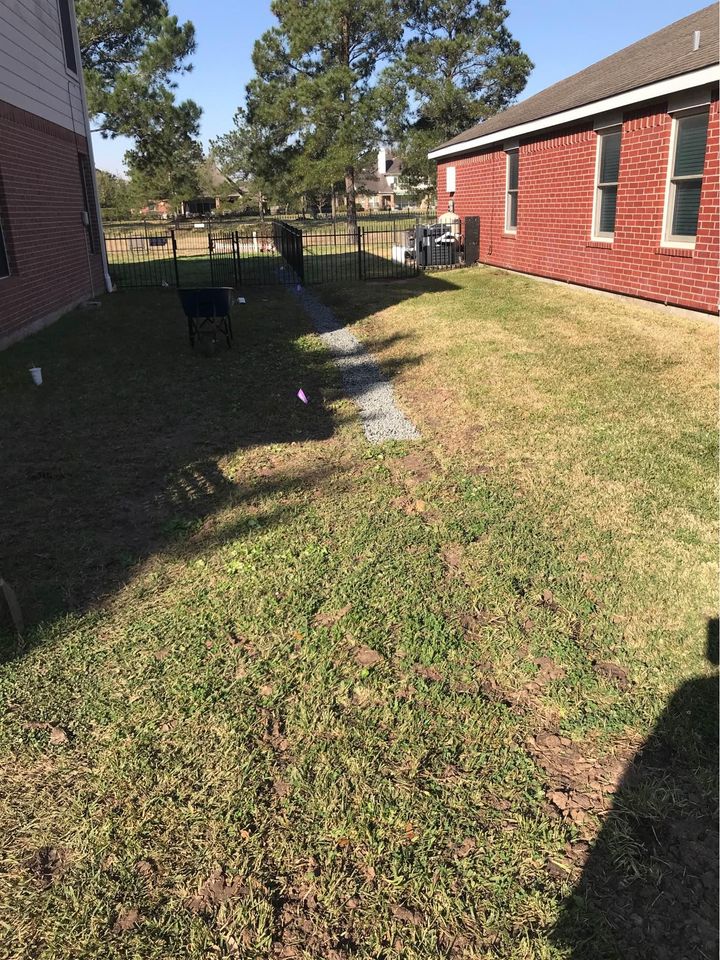
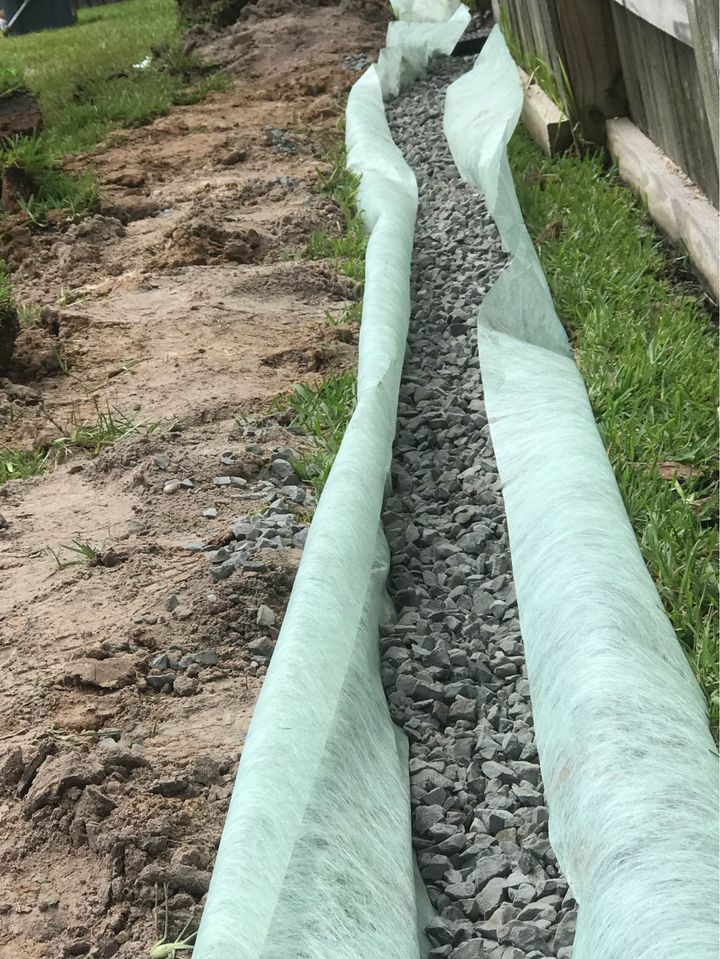
Show Us Where the Water Collects
Share photos from during or just after rain, the locations of nearby downspouts, and any previous drainage work. OE Landscape can review the visible problem and the route the water needs to follow.