Where to Simplify
an Overcrowded Landscape
Learn where removing, repeating, opening, or simplifying landscape elements can create more breathing room, stronger focal points, easier circulation, and a cleaner relationship between planting, hardscape, and architecture.

Create More Impact by Giving the Best Features More Room
A landscape can become overcrowded gradually.
One plant is added near the patio. Another fills an empty corner. A new border is installed. Decorative rock is added beside an older material. Over time, the yard may contain too many plants, too many finishes, too many focal points, and too little breathing room.
The result is not always unattractive, but it can feel visually busy, difficult to maintain, and disconnected from the home.
Sometimes the best landscape improvement is not adding something new.
It is deciding what can be removed, simplified, repeated, or given more space.
At OE Landscape, we believe a successful outdoor space should feel intentional. Simplifying an overcrowded landscape can reveal the strongest parts of the property, improve circulation, reduce unnecessary maintenance, and create a cleaner relationship between planting, hardscape, and architecture.
Start by Identifying What Competes for Attention
Before removing anything, look at the landscape as a whole.
Ask which elements immediately demand attention.
There may be several:
- A brightly colored planting bed
- Decorative pots
- Multiple rock types
- A fire feature
- A fountain
- Several specimen plants
- Contrasting pavers
- Garden ornaments
- Strongly patterned walls
When too many elements are trying to become focal points, the landscape can feel unsettled.
A stronger landscape design usually has hierarchy.
One or two features lead.
Other elements support them.
The first step in simplifying is often deciding which parts of the landscape deserve to remain visually dominant.
Reduce the Number of Plant Varieties
One of the most common causes of visual clutter is using too many different plants.
A planting bed may contain one of everything:
one grass, one flowering shrub, one succulent, one groundcover, one ornamental plant, and several unrelated accents.
Each plant may be attractive individually, but together they can create a fragmented appearance.
Simplification often begins by reducing variety and increasing repetition, two principles that also support stronger visual balance.
Instead of ten plant types used once, consider using four or five plant types multiple times.
Repetition creates rhythm.
It also helps separate plants feel like part of the same design.
Remove Plants That No Longer Fit the Space
Plants change as they mature.
Something that looked appropriate when first installed may eventually become too large, block a pathway, cover a window, or dominate surrounding planting.
Overgrown landscapes often need editing rather than constant pruning.
Consider whether certain plants are:
- Too large for their location
- Blocking important views
- Crowding walkways
- Competing with nearby trees
- Hiding architectural features
- Requiring constant maintenance
If a plant needs frequent aggressive pruning just to remain in place, it may no longer be the right plant for that location. The University of California Cooperative Extension pruning guidance is a useful reference for proper pruning and plant placement.
Replacing it with a species better suited to the available space can create a cleaner long-term result.
Open Up the Space Around Important Trees
Mature trees often become stronger focal points when the area around them is simplified.
An attractive tree can lose its visual impact when surrounded by too many shrubs, pots, rocks, and decorative features.
Creating some open space around the trunk and canopy allows the tree to be appreciated as its own element.
Depending on the landscape, this may involve:
- Removing competing shrubs
- Simplifying groundcover
- Reducing decorative materials
- Creating a clean planting zone
- Opening sightlines toward the tree
Sometimes the strongest design decision is simply giving an existing feature more room.
Simplify the Front Entry
The entrance is one area where overcrowding is especially noticeable.
Visitors should immediately understand where to walk and where the front door is located.
Too many plants, pots, borders, and decorative elements can make the entry feel confusing.
A simplified front approach may include ideas commonly used in professional landscape design:
- A clear walkway
- One strong planting composition
- A limited number of materials
- Low plants near circulation
- One or two accent features
The landscape should support the entrance rather than compete with it.
Removing unnecessary elements can often make the home itself appear more welcoming.
Remove Plants Blocking Windows
Planting beneath windows can soften architecture, but it should not automatically cover the glass.
Overgrown shrubs may reduce natural light and hide important architectural features.
Low-growing plants, grasses, or appropriately sized shrubs can often create a cleaner result.
Stand inside the home and look outward.
If most of the view consists of dense foliage pressed against the window, the planting may need to be simplified.
The goal is to create a relationship between the interior and landscape, not completely separate the two.
Clear Narrow Pathways
Walkways should feel comfortable and obvious.
When shrubs, grasses, or groundcovers constantly lean into circulation areas, the landscape can feel crowded even when the rest of the yard is relatively open.
Consider the mature width of plants along paths.
Simplification may mean:
- Removing one row of planting
- Widening clearance around steps
- Replacing large shrubs with lower plants
- Limiting groundcover near edges
Clear circulation makes the entire property feel more organized.
It also reduces the amount of trimming required to keep paths usable.
Reduce the Number of Hardscape Materials
Planting is not the only source of clutter.
A landscape may include several paving types, multiple decorative stones, different border materials, and unrelated wall finishes.
This often happens when outdoor improvements are completed at different times.
The patio may use one material.
The walkway uses another.
A later garden area introduces a third.
Simplification can create stronger visual continuity.
Look for opportunities to repeat existing materials or eliminate decorative transitions that no longer serve a purpose.
A smaller, more consistent hardscape material palette usually makes the property feel larger and calmer.
Simplify Decorative Rock
Decorative rock can be useful, but several colors and sizes used close together can make planting areas feel fragmented.
One section may contain white stone, another river rock, and another dark gravel.
Each transition creates another visual boundary.
Where appropriate, consolidating these surfaces into one or two complementary materials can improve continuity.
A neutral gravel repeated throughout several areas often works more effectively than numerous decorative stone types.
Remove Unnecessary Borders
Landscape borders can provide useful separation, but they are sometimes overused.
A yard may contain edging around every planting bed, decorative bands around paving, and additional borders around turf.
These repeated lines can create visual noise.
Ask whether each border serves a real function.
If two materials can meet cleanly without another decorative strip between them, removing the border may create a stronger contemporary appearance.
Fewer lines often make the major shapes of the landscape easier to understand.
Simplify Planting Around Patios
Outdoor living areas should feel comfortable, not enclosed by excessive vegetation.
If every edge of a patio is crowded with tall plants, the space may begin to feel smaller than it actually is.
Consider where planting is truly needed.
Some edges may benefit from greenery, while others can remain open toward views or circulation.
A simplified approach might use one strong tree, several repeated shrubs, and lower grasses instead of dense mixed planting around the entire perimeter. See additional planting ideas in our sensory garden guide.
This creates a better balance between hardscape and softscape.
Create More Negative Space
Empty space is not wasted space. It can also help create more comfortable outdoor spaces designed around wellness.
In landscape design, negative space allows the eye to rest.
It can take the form of:
- Open lawn
- Gravel
- Simple groundcover
- Clear patio space
- Unplanted areas between major plant groups
When every available area contains something different, individual features lose their impact.
Opening selected areas can make surrounding planting appear stronger.
A single specimen plant often looks more intentional when it has room around it.
Remove Duplicate Focal Points
A yard may contain several features that were each intended to be special.
There may be a fountain, sculpture, fire pit, specimen tree, decorative pot, and brightly colored planting bed all visible at once.
The result can feel visually competitive.
Choose which features are most important.
Others may be removed, relocated, or visually reduced.
A strong landscape usually benefits from one primary focal point within each major view.
Secondary elements should support that feature rather than fight for attention.
Simplify Overcrowded Corners
Corners tend to accumulate landscape elements.
They may contain several large shrubs, a tree, stored pots, decorative stone, or miscellaneous garden features.
This can make the yard feel smaller.
Simplifying a corner can create surprising visual relief.
One well-shaped tree or a simple layered planting may be more effective than several unrelated plants.
If the corner is not serving a functional purpose, it may not need to contain anything elaborate at all.
Edit Planting Along Fences
Long fence lines are often planted heavily in an attempt to hide the boundary.
Over time, this can create a dense wall of vegetation.
Instead of planting every inch, consider where screening is actually necessary.
Target areas where:
- Neighboring windows are visible
- Seating areas need privacy
- Utility features need screening
- The fence is especially prominent
Other sections may benefit from lower or more open planting.
Selective screening can make the yard feel more spacious while still providing privacy where it matters.
Reduce Excessive Symmetry
Symmetry can provide structure, but too much repetition can make a landscape feel forced.
If every feature has an identical counterpart, there may be opportunities to simplify.
For example, instead of maintaining matching shrubs on both sides of every pathway, one side might remain more open while the overall composition stays visually balanced.
Asymmetry can reduce the number of elements required while creating a more natural appearance.
The goal is balance, not duplication.
Simplify Small Yards More Aggressively
Compact yards have less room for competing ideas.
Every material, plant, and feature is visible at close range.
A small backyard may feel significantly larger after simplifying.
Consider limiting the space to:
- One main patio material
- One or two planting zones
- A small number of repeated plants
- One focal feature
- Clear circulation
Trying to include every possible outdoor feature can make a small property feel cramped.
Prioritize the functions that matter most.
Remove Furniture That Is Rarely Used
Landscape clutter is not limited to permanent features.
Outdoor furniture can also overwhelm a space.
A patio may contain several seating sets, extra chairs, tables, storage pieces, and decorative accessories.
If certain furniture is rarely used, removing it can immediately open the space.
A smaller number of well-positioned pieces often makes outdoor living areas feel more comfortable.
It also allows the hardscape and surrounding landscape to become more visible.
Simplify Container Planting
Pots and containers are easy to add, which is why they often accumulate over time.
A collection of many unrelated containers can make entrances and patios look crowded.
Instead, consider using fewer, larger containers.
Repeat similar shapes or materials.
Use them where they have clear visual impact, such as:
- Near an entrance
- Beside a patio
- At the end of a sightline
- Around a seating area
Reducing the number of pots can make the remaining ones look more intentional.
Reconsider Excessive Lawn Shapes
A lawn divided into several small or awkward sections can create maintenance problems and visual clutter.
Simplification may involve consolidating lawn into one stronger shape.
Small leftover strips might become planting, gravel, or hardscape instead.
Whether the property uses natural grass or artificial turf, clear shapes usually feel more intentional than numerous irregular fragments.
This can also make edging and maintenance easier.
Simplify Irrigation Zones When Renovating
An overcrowded landscape may have irrigation designed around older planting that no longer exists or no longer makes sense.
When simplifying the yard, irrigation should be reviewed as well.
Removing plants without adjusting irrigation may leave unnecessary watering in empty areas.
Likewise, new simplified plant groupings may work better when plants with similar water requirements share the same zones. California homeowners can use the UC Davis WUCOLS database to review landscape plant water-use classifications.
Landscape editing and irrigation planning should work together. The EPA WaterSense outdoor guidance offers additional information on water-smart landscapes and irrigation efficiency.
Remove Plants That Hide Hardscape
Hardscape is often installed to create structure, but overgrown planting can eventually cover the intended edges.
Steps disappear behind grasses.
Walls become hidden beneath shrubs.
Walkways become narrower.
Simplification may involve trimming or replacing plants so the major hardscape geometry becomes visible again.
The goal is not to remove all softness.
It is to restore the balance between planting and built elements.
Give Outdoor Features More Breathing Room
Fire pits, fountains, outdoor kitchens, sculptures, and other major features often look better when they are not surrounded by excessive detail. Browse our project gallery for outdoor-living examples.
A fire feature may only need a simple seating area and restrained planting.
An outdoor kitchen may work better with open circulation rather than dense landscaping immediately around it.
A fountain may become more effective when the background is quiet.
Strong features need space to be noticed.
Reduce Planting Near Utility Areas
Some landscapes become crowded because homeowners attempt to completely conceal every utility feature.
Dense planting around air-conditioning equipment, meters, irrigation components, or access areas can create maintenance problems.
Screening can still be provided, but access should remain clear.
A smaller number of appropriately positioned shrubs or screens may provide enough visual separation without creating an overgrown utility zone.
Function should always be part of the design. For California projects where water-efficient landscape requirements apply, the California Department of Water Resources MWELO guidance is an authoritative resource.
Simplify Color
Colorful planting can be beautiful, but too many unrelated colors can make a landscape feel busy.
Consider creating a more focused palette.
A base of green and neutral foliage might be accented with one or two flowering colors.
Repeating those colors throughout the property creates continuity.
This does not mean the landscape needs to become dull.
A restrained palette often makes flowering plants more noticeable because they are not competing with many other colors.
Reduce Excessive Pruning Shapes
A landscape full of tightly shaped shrubs can create another type of visual clutter.
Every plant becomes a separate object.
Allowing selected plants to retain more natural forms can simplify the overall composition.
A few structured hedges may provide useful organization, while surrounding plants remain softer.
This creates contrast and reduces the feeling that every plant needs to be individually emphasized.
Open Important Sightlines
Sometimes a landscape feels crowded because views are constantly interrupted.
Look from important locations such as:
- The front door
- Living room
- Kitchen
- Main patio
- Outdoor dining area
Ask what you want to see from each location.
Removing or lowering one plant may open a view toward a tree, garden, architectural feature, or distant part of the yard.
Clear sightlines can make even a smaller property feel larger and can strengthen the connection between the home and the surrounding landscape.
Simplify Around a Pool
Pool areas often accumulate furniture, pots, decorative stone, planting, and accessories.
Simplifying the surrounding landscape can create a cleaner and more relaxing environment. See more completed outdoor spaces in our landscape gallery.
Keep clear areas for circulation.
Use planting where it contributes shade, privacy, or visual softness.
Limit materials so the pool, paving, architecture, and plants feel connected.
Reducing unnecessary elements can also make maintenance around the pool easier.
Decide What the Landscape Is Supposed to Do
One of the best ways to simplify is to return to the purpose of the yard.
What is most important?
Perhaps the property needs to support:
- Family gatherings
- Outdoor dining
- Relaxation
- Children's play
- Gardening
- Privacy
- Entertaining
Elements that do not support those priorities may not need to remain.
A landscape becomes clearer when every major feature has a reason to be there.
Simplify in Phases
Not every landscape needs to be completely renovated at once.
Simplification can happen gradually.
Start with the areas that create the most visual clutter.
Remove plants that no longer fit.
Reduce unnecessary pots.
Consolidate materials.
Open one important sightline.
Then evaluate the result before making further changes.
Sometimes removing a few elements reveals that less work is needed than originally expected.
Know What Is Worth Keeping
Simplification is not about removing everything.
Mature trees, healthy established plants, quality hardscape, and useful outdoor features may already provide a strong foundation.
The goal is to identify what works and allow those elements to become more visible.
A successful renovation often keeps the best existing features while eliminating the parts that compete with them.
This can create a refreshed landscape without starting from zero.
Create a Landscape That Feels Easier to Understand
A simplified landscape usually feels calm because its organization is immediately clear.
People can see where to walk.
They understand where to sit.
Important plants stand out.
Materials repeat.
Views are open.
The architecture remains visible.
There is enough planting to make the property feel alive, but not so much that every area competes for attention.
That clarity is one of the strongest qualities of thoughtful landscape design.
Sometimes Less Creates More Impact
Outdoor improvements often begin with the question, “What should we add?”
For an overcrowded landscape, a better question may be:
“What can we remove so the strongest elements have more room?”
Simplifying does not mean making the yard empty.
It means creating hierarchy, reducing unnecessary competition, improving spacing, and allowing the architecture, plants, and outdoor living areas to work together more clearly.
At OE Landscape, we help Southern California homeowners transform outdoor spaces through professional landscape installation and hardscaping, plant installation, irrigation systems, artificial turf, and outdoor living improvements.
Whether your property needs a complete renovation or a thoughtful update to an existing landscape, simplifying the right areas can create an outdoor environment that feels cleaner, more functional, and easier to enjoy.
Ready to simplify an overcrowded yard? Contact OE Landscape to explore landscape improvements that bring more clarity, balance, and usable space to your property, or start with our Project Estimator.
Sometimes the Best Landscape Improvement Is Knowing What to Remove
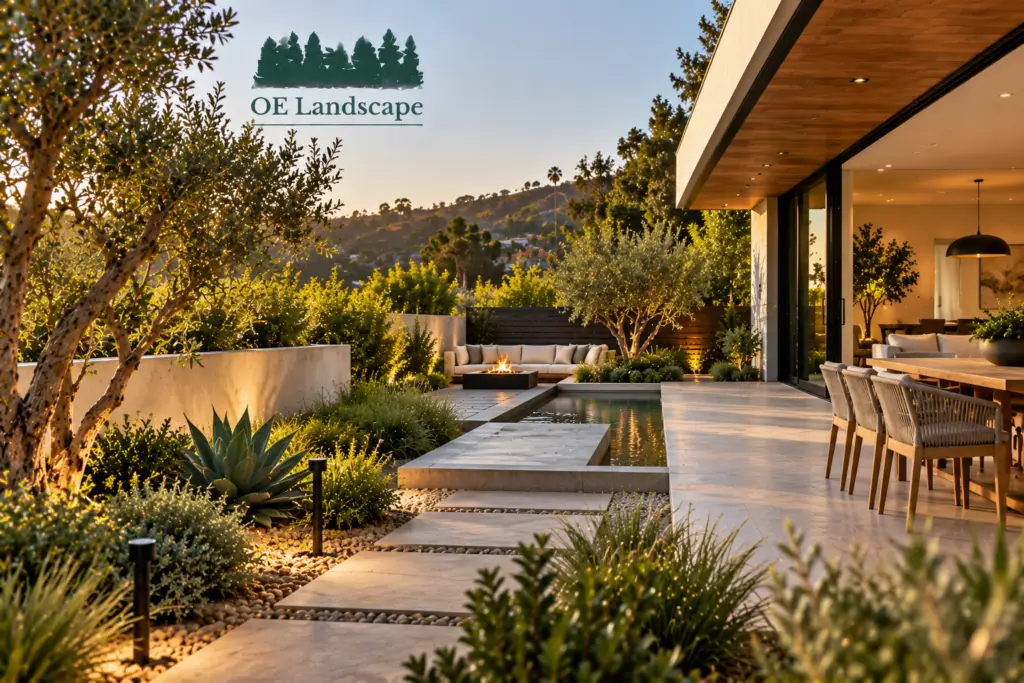
A successful landscape does not need to be empty. It needs hierarchy, breathing room, clear circulation, repeated materials, intentional planting, and enough open space for the strongest features of the property to stand out.
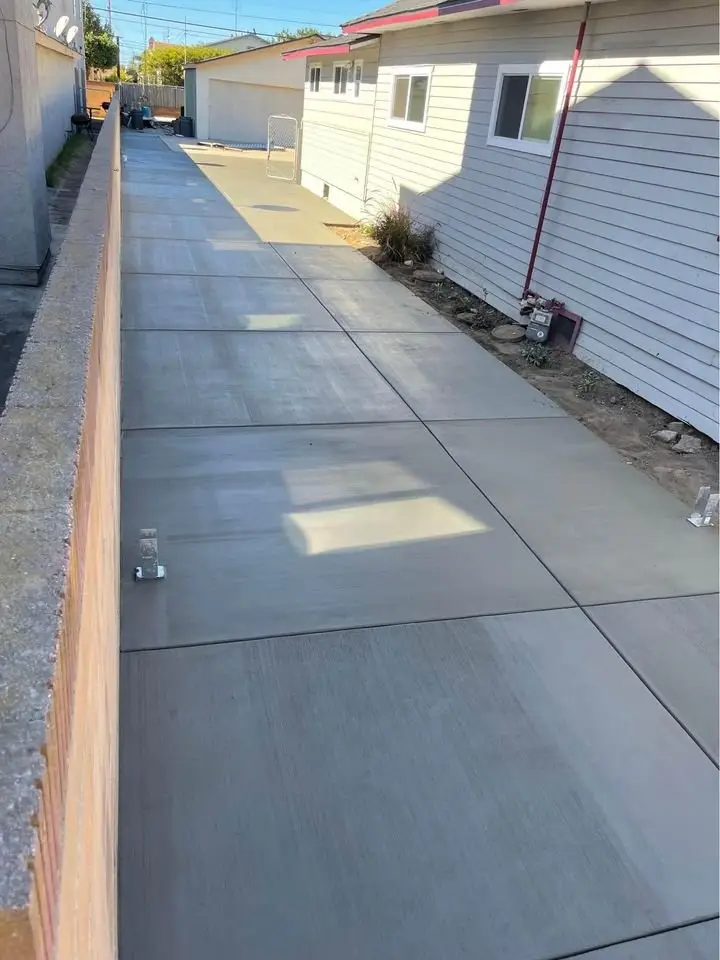
See How Planting, Hardscape, and Open Space Can Work Together
Explore OE Landscape projects where planting, turf, hardscape, pathways, gathering areas, and open space are organized into cleaner and more functional outdoor environments.
Explore Project Gallery
Ready to Simplify an Overcrowded Yard?
Tell OE Landscape which areas feel crowded, difficult to maintain, or disconnected, and start planning an outdoor space with more clarity, usable space, and visual balance.